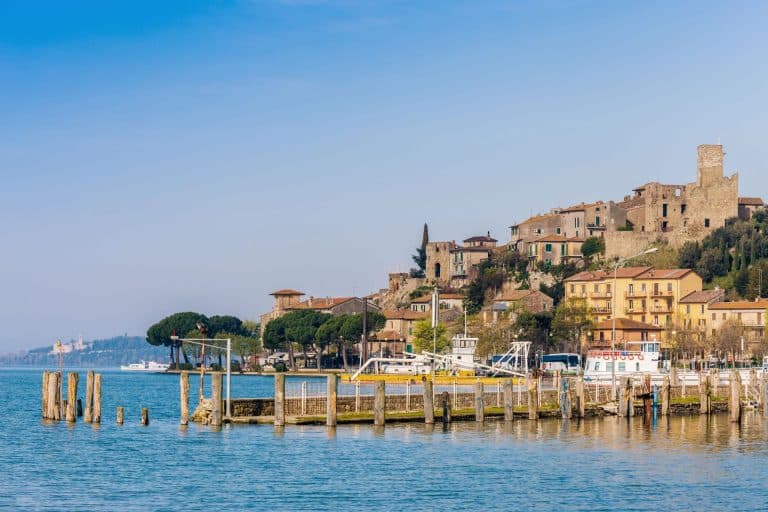
 Tuoro sul Trasimeno
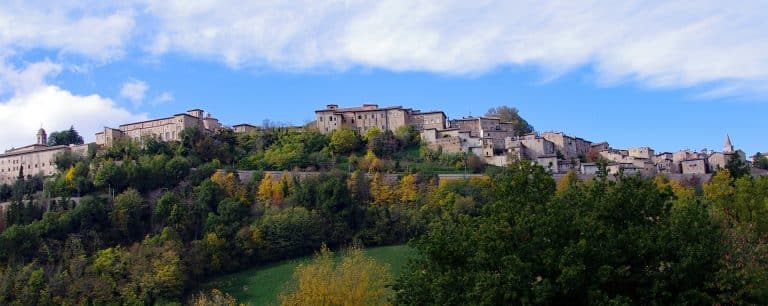 Montefeltro
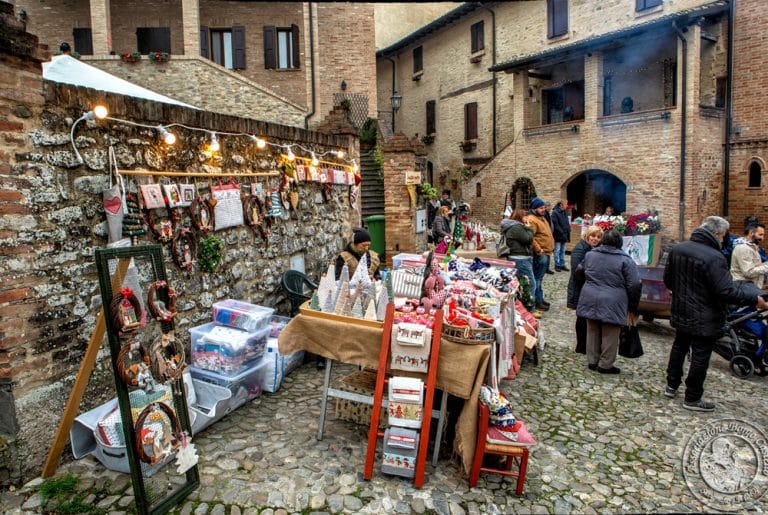 Medieval Markets in the Village
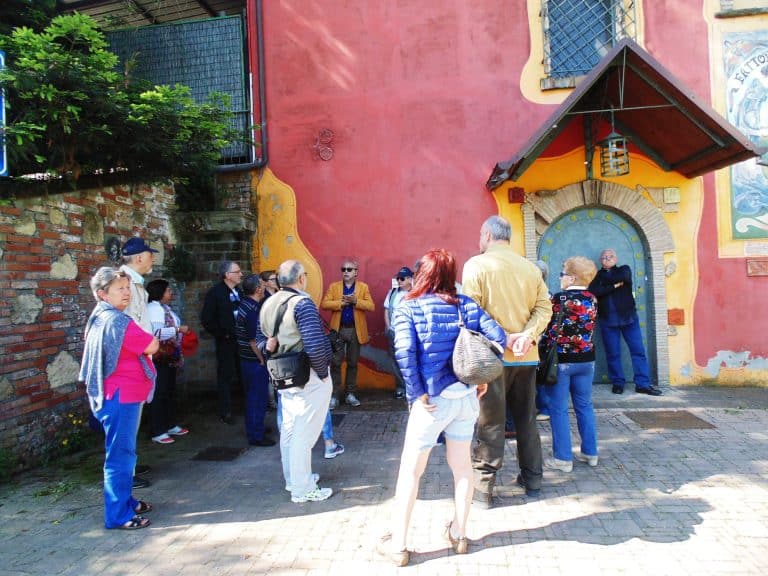 The Ca’ Rossa Experience: from vineyard to glass
 La Rustìda in Gabicce Monte: the authentic flavour of the Adriatic, where sea, hills and tradition meet
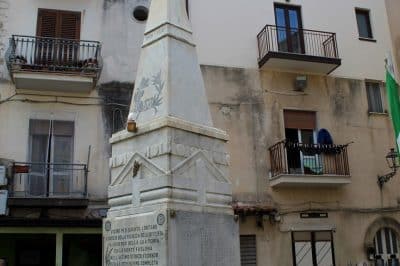
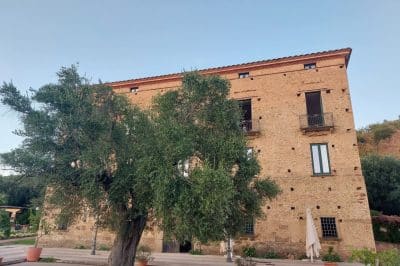
In the heart of Ascea’s historic centre stands Palazzo De Dominicis-Ricci, one of the buildings most emblematic of the town’s historical and political heritage. Listed as a building of historical and artistic interest, the palace’s walls tell the story of one of the most influential families in the Cilento region, the De Dominicis, who played an active role in public life between the 18th and 19th centuries.
Until the end of the 19th century, the building was in fact owned by the De Dominicis family, whose name is closely linked to the liberal uprisings that swept through Southern Italy. A central figure was Teodosio De Dominicis, a lawyer practising in Naples and a leading exponent of southern liberalism, who was involved in the Cilento Uprisings of 1828. Arrested and sentenced to death for his political activism, he remains to this day a symbol of the struggle for constitutional freedoms in southern Italy.
The palace was the scene of further episodes linked to the revolutionary ferment of the era. In 1848, during the anti-Bourbon uprisings, Ulisse De Dominicis hosted Costabile Carducci, a leading figure of the second Cilento uprising, within these rooms. A few years later, in 1860, his nephew Teodosio played an active part in the Risorgimento, leading a Garibaldi column towards Naples, thereby contributing to Italian unification.
With the unification of Italy, the family’s economic decline led to the sale of the building, which was purchased by Celestino Ricci around 1880. From that point onwards, the palace underwent a gradual fragmentation, losing its original unified structure and taking on its current form, divided into several properties.
Today, Palazzo De Dominicis-Ricci retains its historical and symbolic value intact, standing as a tangible testament to the political and social events that have shaped the Cilento region. Strolling through the streets of Ascea’s historic centre, this building blends harmoniously into the urban fabric, offering visitors not only an example of local architecture but also a direct link to the history of the Risorgimento and the struggles for freedom that have shaped the region.
Ph. Alessio Capitani