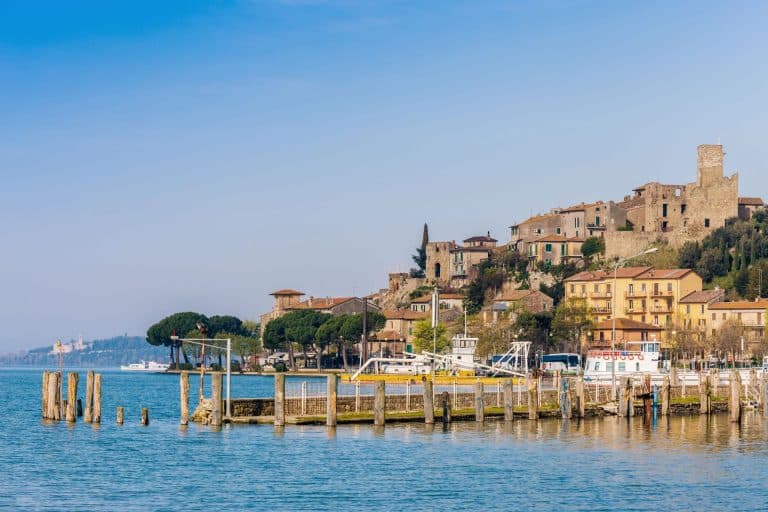
 Tuoro sul Trasimeno
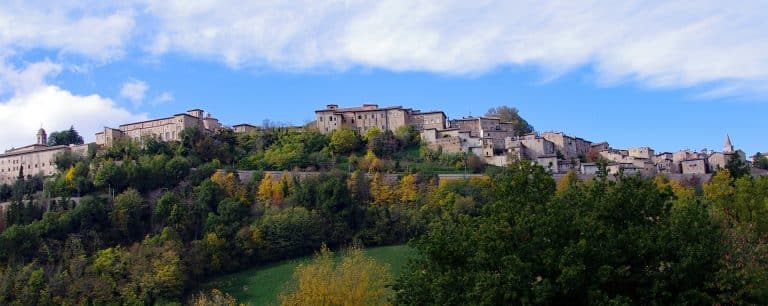 Montefeltro
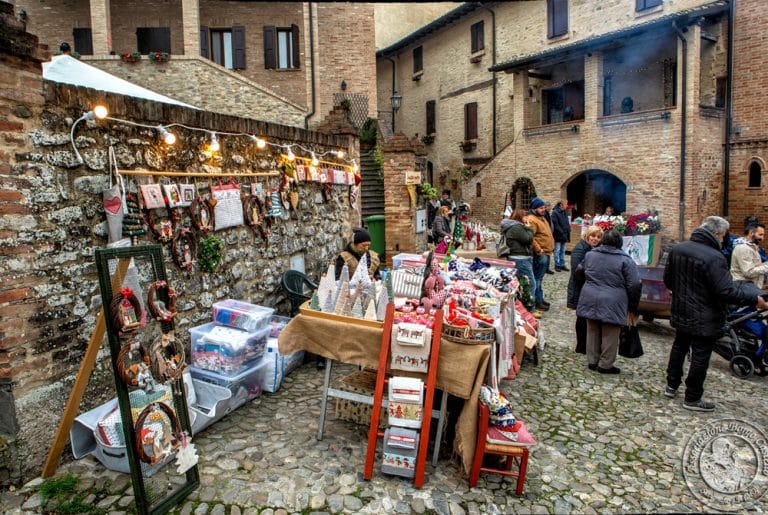 Medieval Markets in the Village
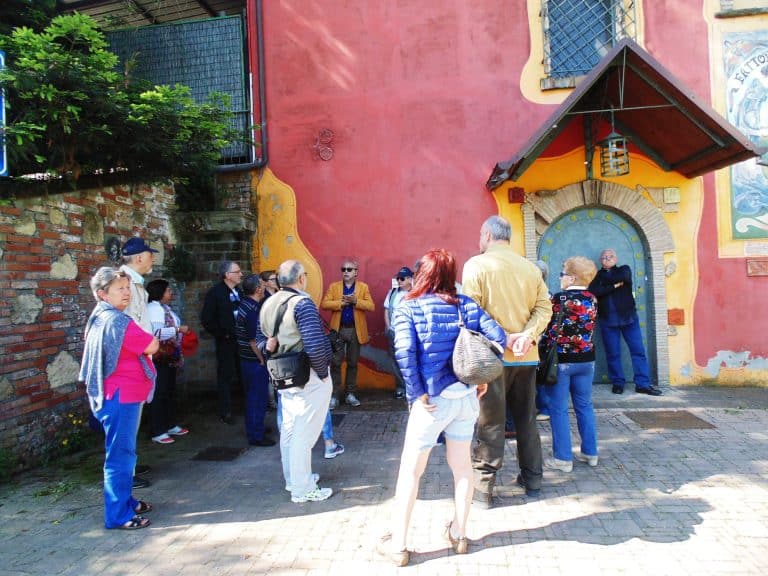 The Ca’ Rossa Experience: from vineyard to glass
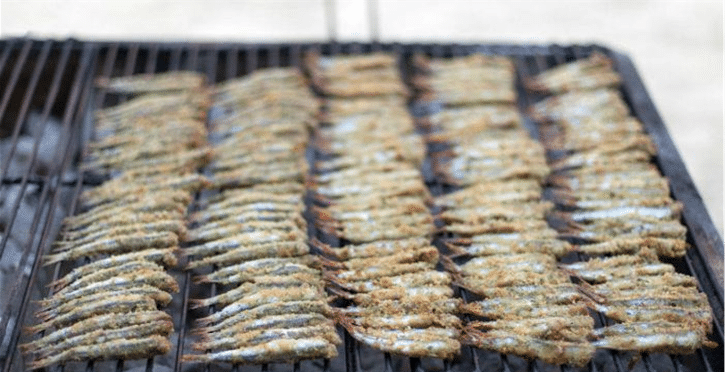 La Rustìda in Gabicce Monte: the authentic flavour of the Adriatic, where sea, hills and tradition meet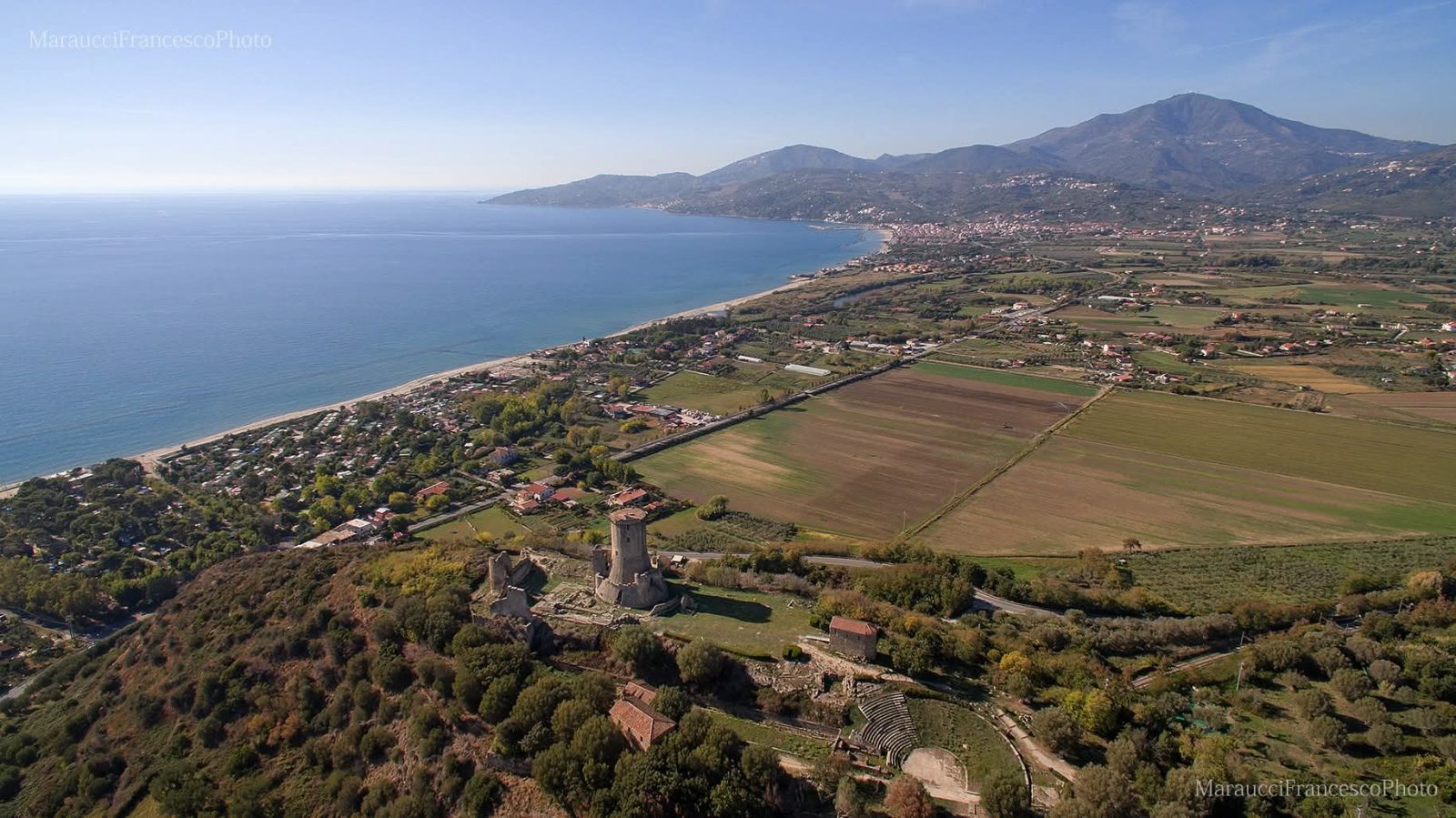
The Paestum and Velia Archaeological Park is one of the most extraordinary archaeological sites in Italy and the Mediterranean, a place where history, landscape and culture come together in a millennia-old narrative spanning Magna Graecia and the Roman era. Listed as a UNESCO World Heritage Site since 1998, the park brings together two sites of exceptional value: ancient Poseidonia, now Paestum, famous for its perfectly preserved Doric temples, and ancient Elea-Velia, a city founded by the Phocaeans in the 6th century BC and the cradle of one of the most important philosophical schools of antiquity.
The Velia area, established as an archaeological park in 2005 and now integrated into the Paestum site, covers approximately 90 hectares and forms a veritable open-air museum set within a landscape of great beauty, amidst olive groves and Mediterranean scrub. Here, the structures of the ancient city blend harmoniously into the natural setting, offering visitors a unique experience in which the archaeological heritage is not isolated but engages in a continuous dialogue with the surrounding landscape.
The first interest in Velia dates back as far as the 19th century, when scholars and travellers began to take an interest in the ruins of the ancient city. However, the first proper excavation campaigns were not launched until 1927 under the direction of the archaeologist Amedeo Maiuri, who unearthed important structures on the acropolis and in the urban districts. From the 1960s onwards, thanks to the systematic work of Mario Napoli, the excavations received a decisive boost, leading to the discovery of the famous Porta Rosa, an extraordinary example of Greek engineering and one of the oldest round arches in Magna Graecia, along with the road connecting the southern districts to the acropolis.
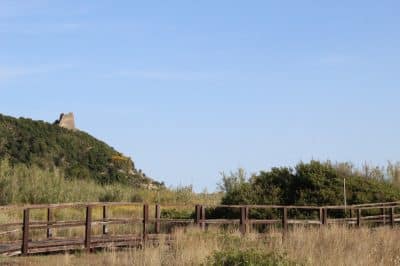
Walking amongst the ruins of ancient Velia, one can journey through centuries of history: from the Roman dwellings and baths of the southern district to the agora and the acropolis, where the most important public and religious buildings were concentrated. Here stands the Tower of Velia, a testament to the medieval era, built on the foundations of a Greek temple likely dedicated to Athena and part of the defensive system of the castle of Castellammare della Bruca.
Velia was not only a major urban and commercial centre, but also a key cultural hub of the ancient world. It was, in fact, the home of the Eleatic School of Philosophy, which, through thinkers such as Parmenides, Zeno and Xenophanes, helped to revolutionise Western thought. At the same time, the city was home to a renowned medical school, considered a forerunner of the future Salerno Medical School, and welcomed important figures from ancient Rome such as Cicero, Brutus and Horace, drawn by the healthiness of the location and its cultural vibrancy.
Since 2020, the administrative merger with Paestum has further enhanced the park’s value, creating an integrated system that promotes two of the most important examples of Magna Graecian civilisation in a coordinated manner. This has enabled not only greater protection and promotion of the heritage, but also a significant increase in visitor numbers, drawn by the opportunity to enjoy a complete experience amidst monumental temples, ancient cities and timeless landscapes.
The Paestum and Velia Archaeological Park is not merely a place to visit, but an immersive journey through history, capable of conveying the grandeur of the civilisations that shaped the Mediterranean and of recounting, through its ruins and landscape, one of the most fascinating chapters of antiquity.