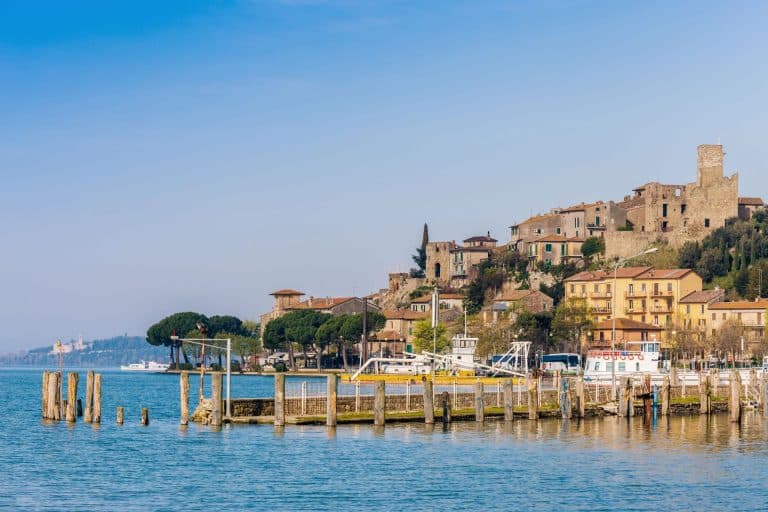
 Tuoro sul Trasimeno
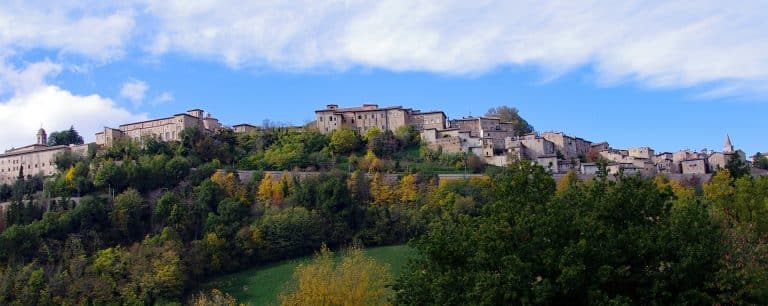 Montefeltro
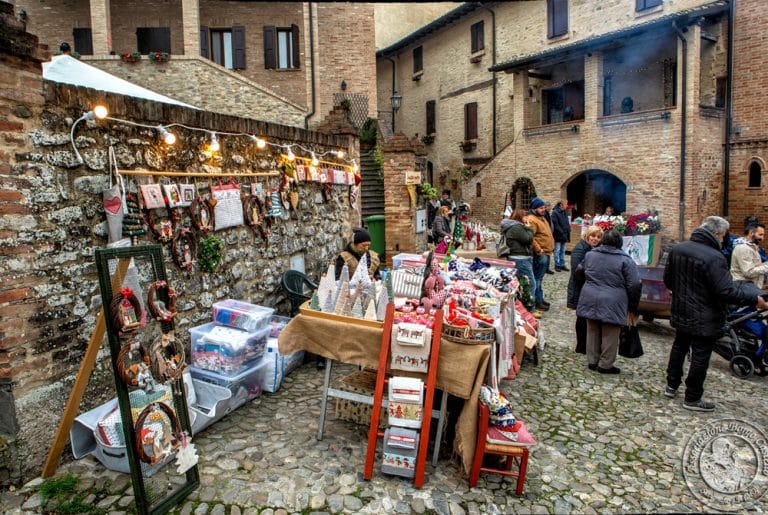 Medieval Markets in the Village
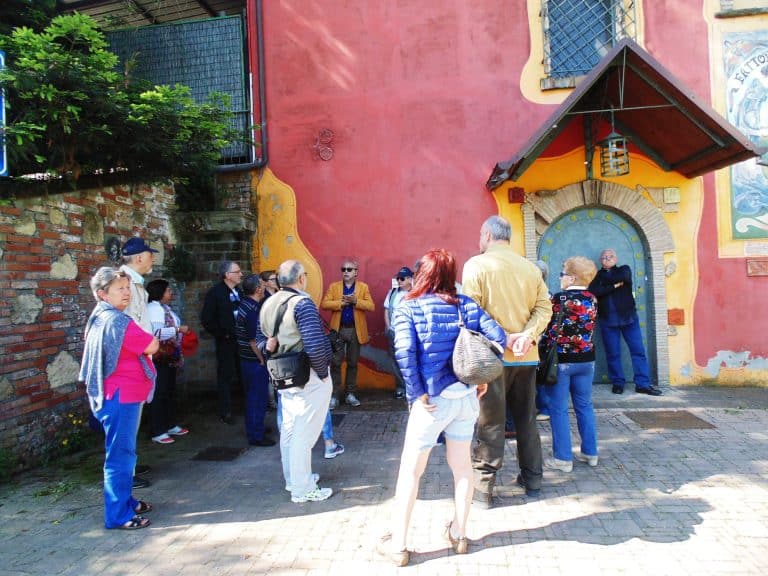 The Ca’ Rossa Experience: from vineyard to glass
 La Rustìda in Gabicce Monte: the authentic flavour of the Adriatic, where sea, hills and tradition meet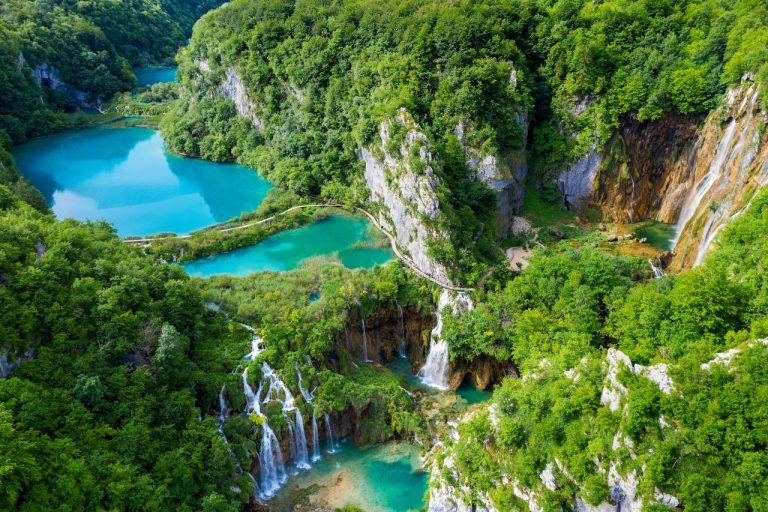
Croatia is home to some of Europe’s most fascinating UNESCO World Heritage Sites, places where the power of nature and thousands of years of history coexist in perfect harmony. From fortified towns overlooking the Adriatic Sea to natural parks of extraordinary beauty, the country offers authentic experiences, ideal for those who love to travel slowly and go beyond the most obvious destinations.
Among these treasures, the Plitvice Lakes National Park stands out as the ultimate symbol of green Croatia, a place that enchants in every season and is a must-see for those who want to discover the purest soul of the country.
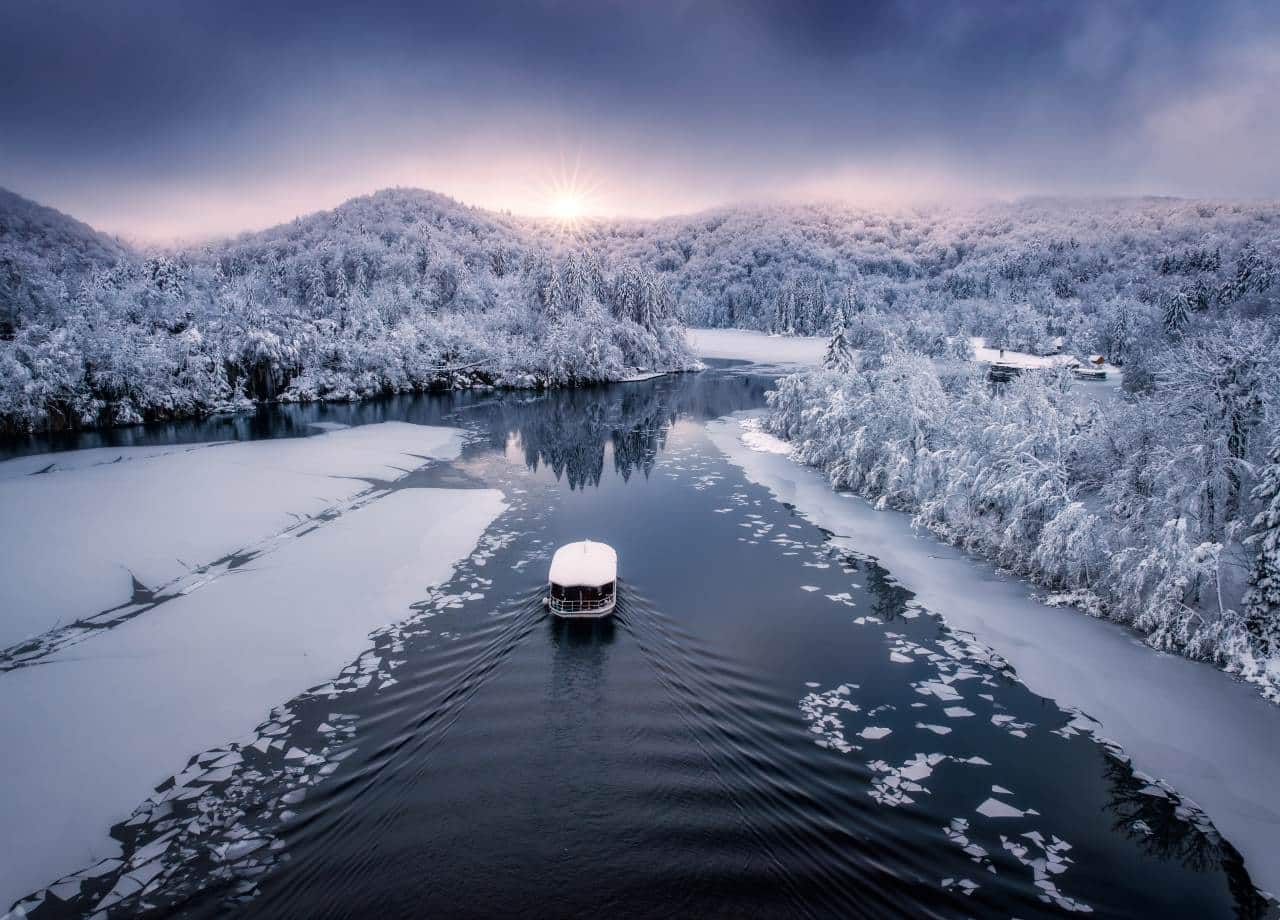
Plitvice Lakes National Park: a UNESCO natural masterpiece
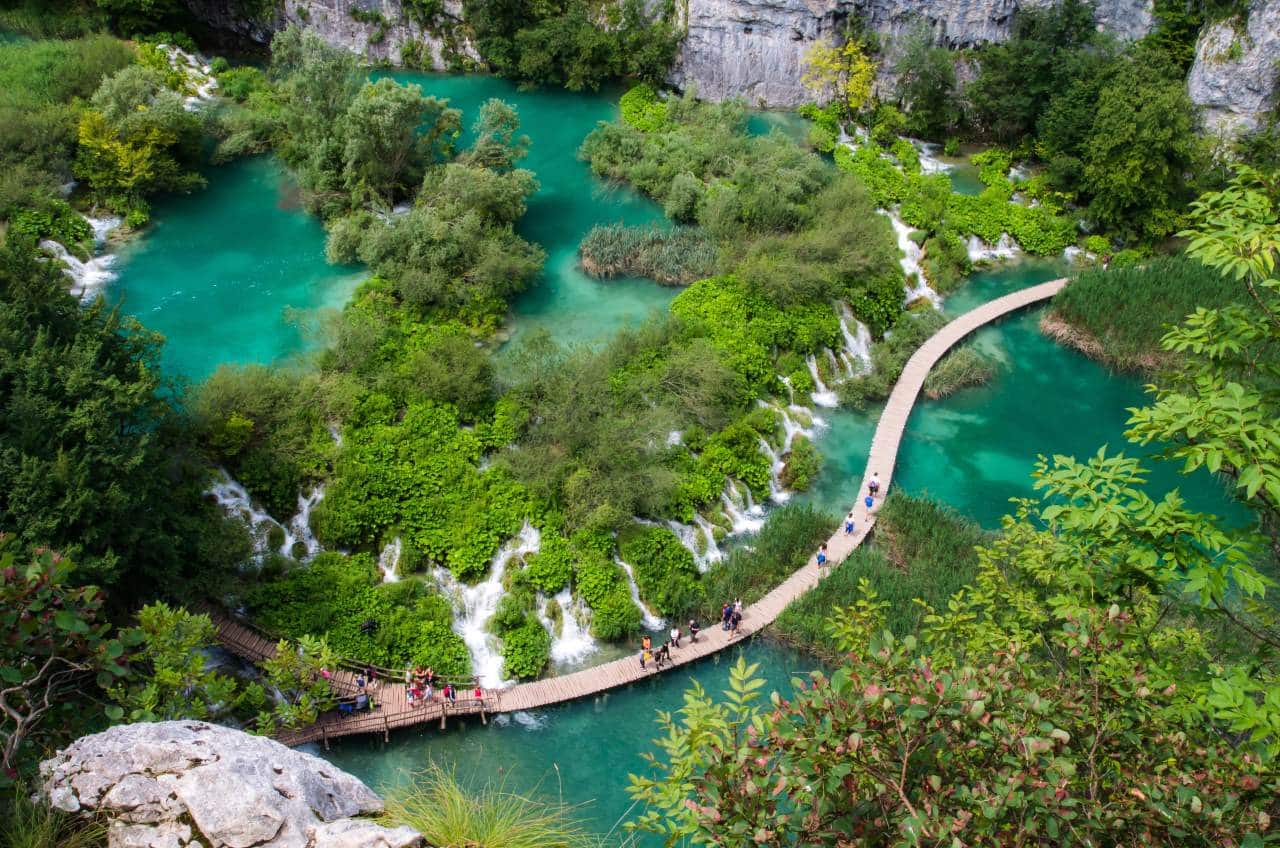
Declared a UNESCO World Heritage Site in 1979, Plitvice Lakes National Park is a unique ecosystem, shaped over time by water and rock. Sixteen terraced lakes, connected by spectacular waterfalls and wooden walkways, create an almost unreal setting, where shades of turquoise and green change constantly with the light and the seasons.
Walking among the lakes means immersing yourself in a living landscape: centuries-old forests, crystal-clear waters, and the constant sound of waterfalls accompany visitors along well-marked trails suitable for everyone. It is an experience that goes beyond a simple visit, becoming a deep connection with nature, ideal for families, couples, and travelers in search of authentic emotions.
Want to experience this wonder without any worries? Plan your visit in advance and buy your ticket to Plitvice Lakes National Park online, choosing the date and time to enjoy the park in complete peace of mind.
Beyond the lakes: Croatia’s villages waiting to be discovered
The magic of Croatia is not limited to its natural parks. Away from the big cities, the region is dotted with villages rich in history, traditions, and timeless atmospheres, perfect for completing an itinerary that combines nature and culture.
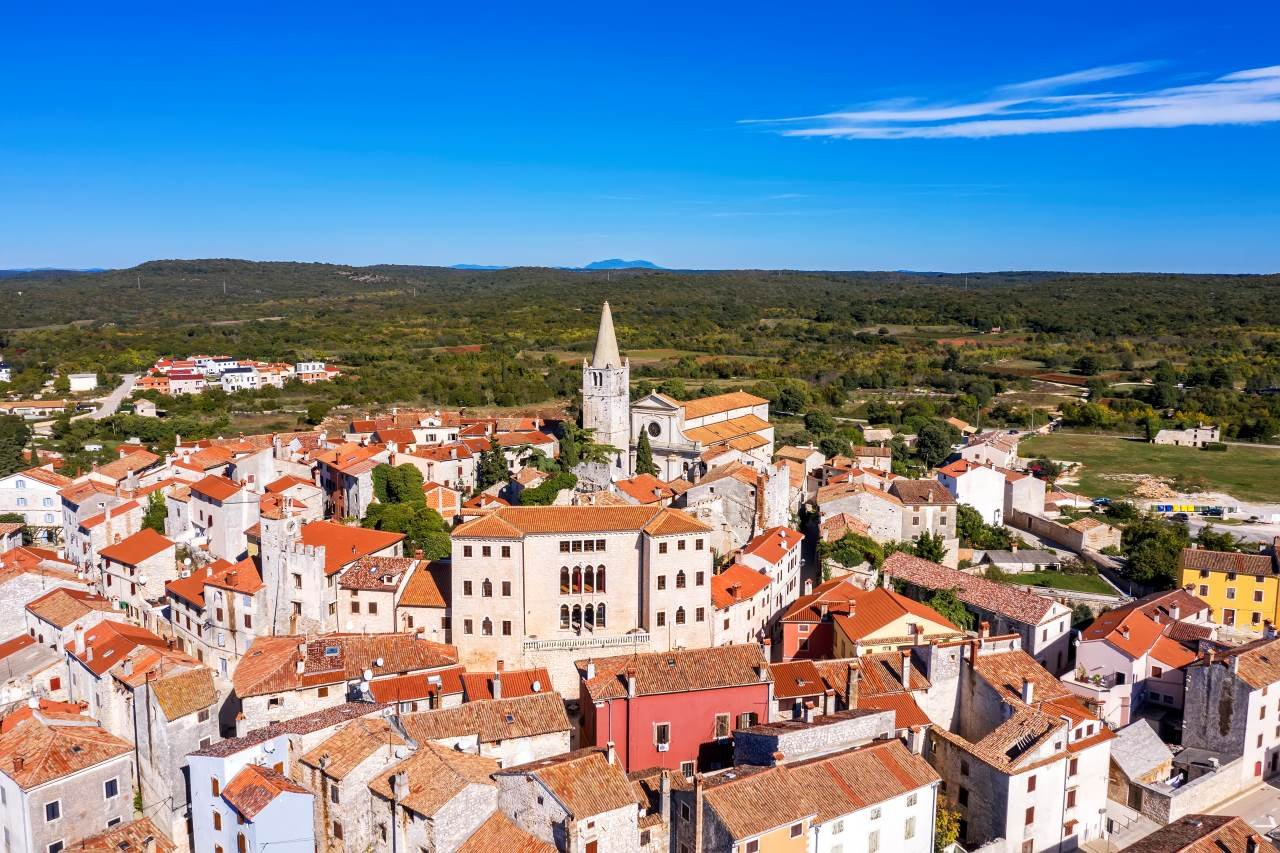
Among these, Bale (Valle) stands out, a small jewel of Istria. Also known by its Italian name, Valle, Bale charms visitors with its compact historic center, stone houses, quiet streets, and small squares that tell centuries of history. Here, time seems to slow down, offering travelers an intimate and authentic experience of art, local traditions, and genuine flavors.
Visiting Bale means discovering a different side of Croatia, more intimate and discreet, but equally fascinating: a perfect counterpoint to the natural grandeur of the Plitvice Lakes.
A journey across borders between UNESCO, nature, and local identities
An itinerary combining Plitvice Lakes National Park and Croatia’s historic villages, such as Bale, is an ideal way to get to know the country in its truest essence. On the one hand, there is the power of nature protected by UNESCO; on the other, small towns that preserve memories, traditions, and an authentic way of life.
For the Oltreconfine section of e-borghi, Croatia confirms itself as a destination capable of thrilling and surprising, inviting you on a conscious, slow, and meaningful journey.
And if the desire to leave is already strong, the first step is simple: organize your visit to Plitvice Lakes and let yourself be guided by the water, history, and timeless villages of Croatia.
Do you want to promote your business on e-borghi?
Reach travellers interested in villages, authentic experiences and quality tourism.
Discover how to become a partner