 Tuoro sul Trasimeno
 Montefeltro
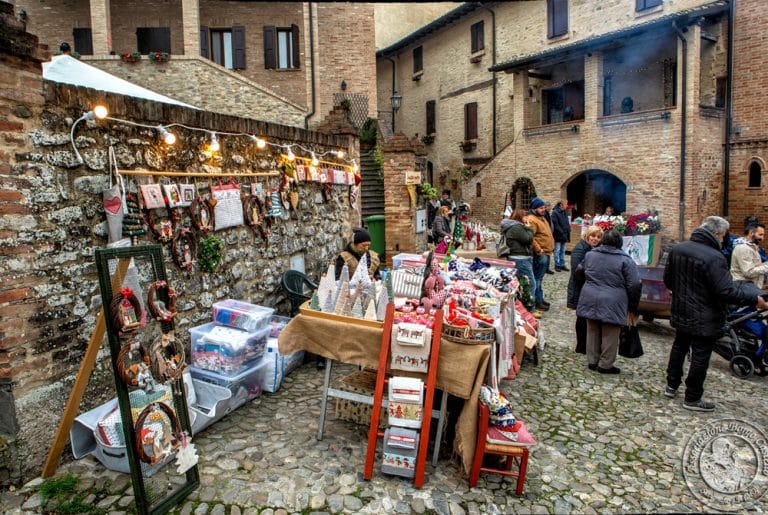 Medieval Markets in the Village
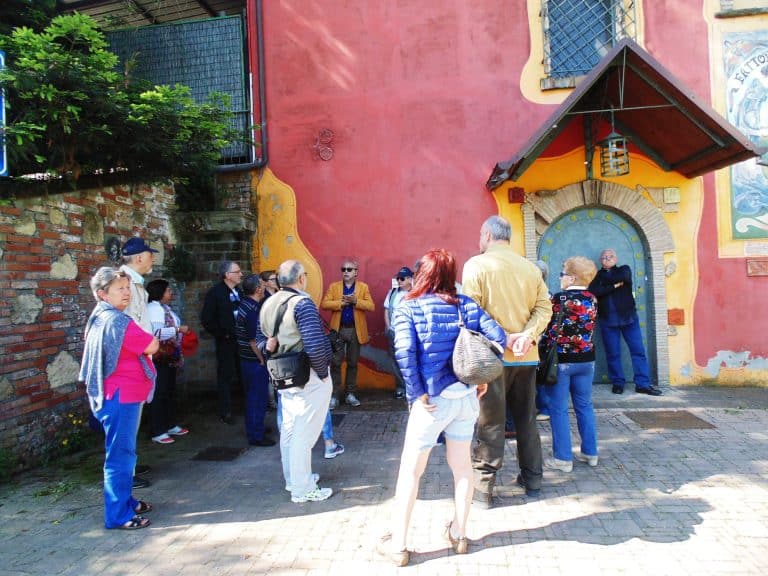 The Ca’ Rossa Experience: from vineyard to glass
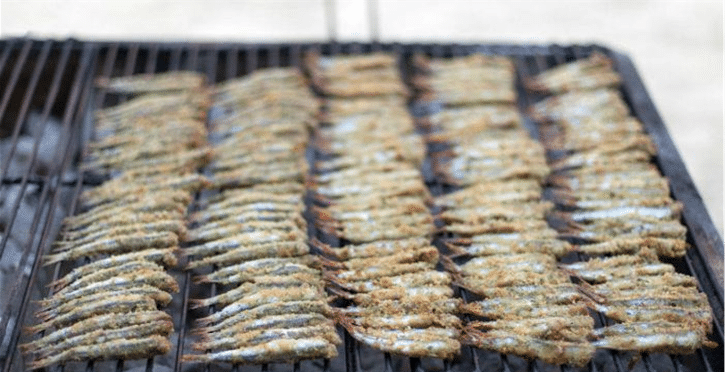 La Rustìda in Gabicce Monte: the authentic flavour of the Adriatic, where sea, hills and tradition meet
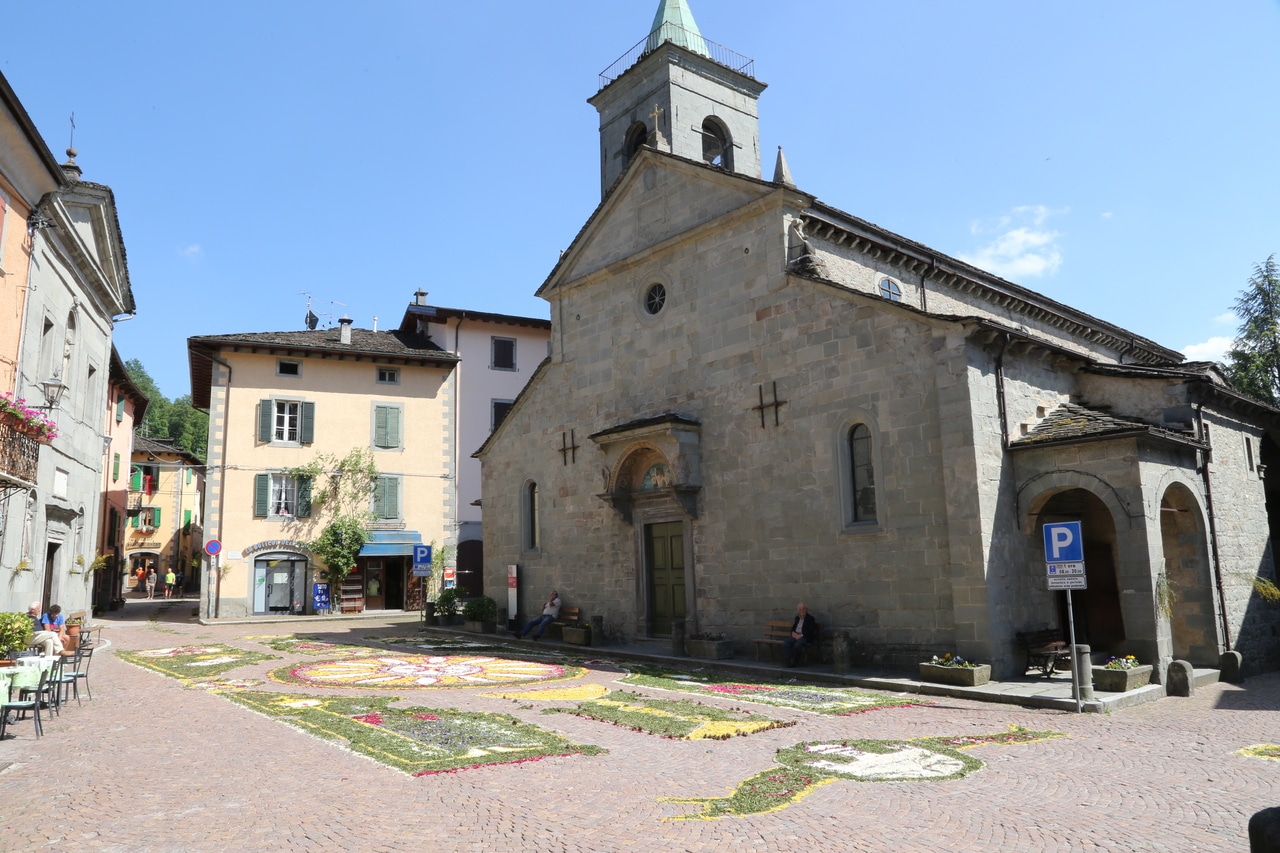
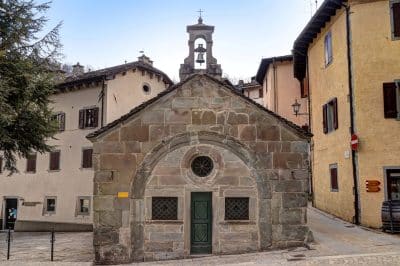
The Church of Saints Donnino and Francesco, also known as the Seminary Church, is one of the most significant religious buildings in Fiumalbo and stands as a valuable testament to the Franciscan presence in the Frignano area.
Its origins date back to 1628, the year in which the Franciscan monastery was founded on the right bank of the Acquicciola stream, just outside the historic centre of the village. The church was initially established as a place of worship attached to the convent, which in its early days was a simple two-storey structure.
During the 18th century, the complex underwent a period of significant development and embellishment, largely thanks to the efforts of the guardian, Father Angelo Cascinai, who oversaw major extension and decoration works. During this period, artists and craftsmen from various parts of northern Italy were involved. The master craftsmen Alessandro and Giovanni Quirini from San Quirino Lucchese created the altar dedicated to Saint Anthony, whilst the Swiss-born sculptor and painter Breni decorated the convent’s interiors with stucco and gouache paintings, also modelling the effigy of the Franciscan founder.
In 1731, major structural work became necessary: the convent’s walls were in danger of collapsing and were reinforced by the construction of a large masonry buttress, which still forms part of the building today.
A few years later, in the second half of the 18th century, the church was almost completely rebuilt on a larger and more monumental scale. The guardian, Giovan Domenico Ballantini, oversaw the renovation, making it more majestic and also equipping it with four new bells cast by the Reggio Emilia master Pietro Ruffiani. The bells were blessed on 3 July 1759 by Bishop Giuseppe Maria Fogliani, symbolically marking the conclusion of one of the most important phases in the building’s history.
Over time, the church has maintained a central role in the religious and cultural life of the community of Fiumalbo. Even today, it retains the charm of Franciscan spirituality and represents an important historical landmark for the entire Alto Frignano region.
In 2014, the complex underwent roof consolidation work, aimed at preserving its structure and ensuring its future conservation.