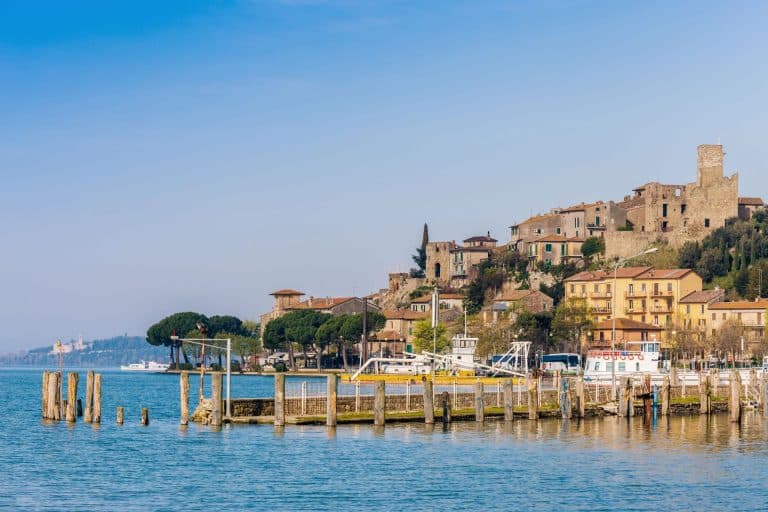
 Tuoro sul Trasimeno
 Montefeltro
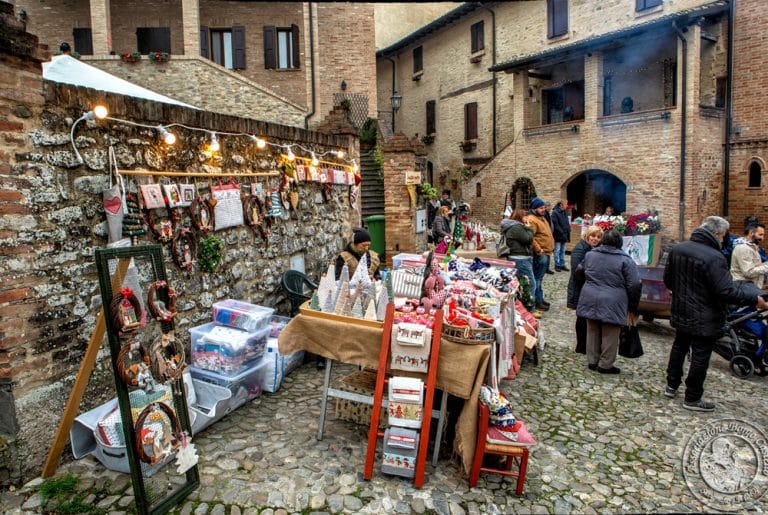 Medieval Markets in the Village
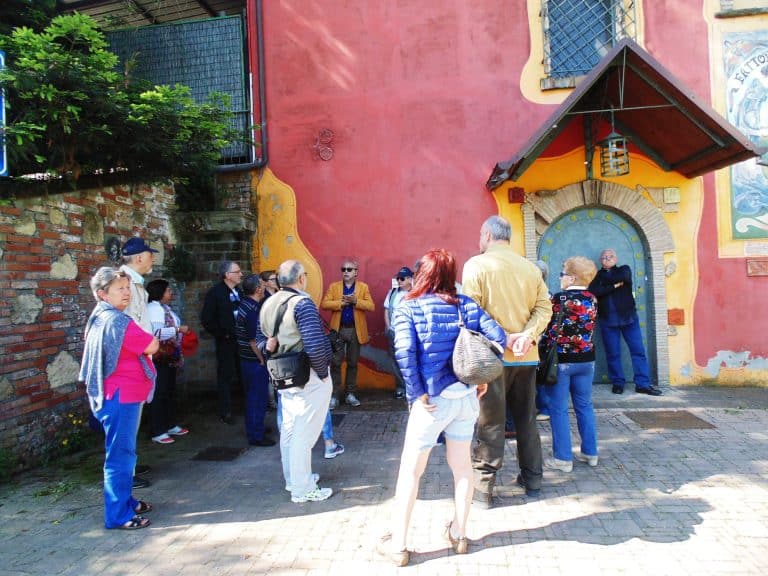 The Ca’ Rossa Experience: from vineyard to glass
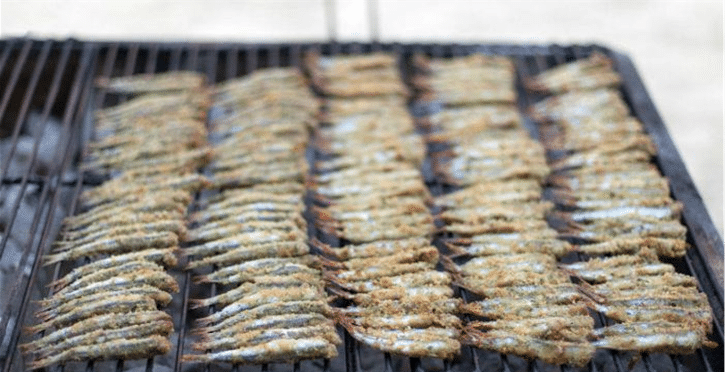 La Rustìda in Gabicce Monte: the authentic flavour of the Adriatic, where sea, hills and tradition meet
Perched on Mount San Paolino in the heart of Sicily, Sutera is a village of timeless charm, where myth and history intertwine among chalk alleys, boundless views and ancient traditions. Known as the “balcony of Sicily”, Sutera offers views ranging from Mount Etna to the sea of Agrigento, guarding in its Arab-medieval heart the magic of the Rabato quarter, the silence of the Sanctuary of San Paolino and the legend of the “jacca”, the split rock that tells of Christ’s breath.
Photo gallery


In the heart of Sicily, embraced by the mountains that dominate the Platani valley, stands Sutera, one of the most evocative and authentic villages on the island. Perched around the mountain of San Paolino, this small medieval jewel is distinguished by its extraordinary panoramic position that offers boundless views as far as Mount Etna and the Gulf of Agrigento-a true “balcony over Sicily”.
Of very ancient origin and Arab-medieval layout, Sutera is divided into three picturesque neighborhoods: Rabato, Rabatello and Giardinello. Rabato, in particular, still retains its original structure, with its chalk houses leaning against each other, narrow cobblestone alleys, hidden courtyards and steep stairways that climb skyward. To walk through these alleys is to take a journey back in time, breathing in the memory of centuries of history and popular culture.
What to see in Sutera
Among the village’s most symbolic sites is the Sanctuary of San Paolino, built around 1370 on the summit of the mountain of the same name. Reaching it is a mystical and panoramic experience: the path, carved into the rock and punctuated by the Stations of the Cross, leads up to an imposing building with simple but solemn lines. From up here the gaze embraces the whole of central Sicily in a panorama that leaves one breathless.
In the heart of the town, the Church of Sant’Agata, which dominates the square of the same name, holds valuable works of art: the marble statue of the Madonna delle Grazie, the carved wooden choir and the 17th-century painting of the Madonna degli Innocenti.
Not far away are the ruins of the Palazzo Salomone, where one of the thirteen heroes of the famous 1503 Disfida di Barletta was born. The still-visible perimeter walls tell of the village’s noble and chivalrous past.
Also not to be missed is the Ethnoanthropological Museum, opened in 2013, which collects peasant tools, craft tools and objects of daily life from the 18th to the 20th century, offering an authentic cross-section of Suterese material culture.
Places and legends
Sutera is a place where history and legend are intertwined. Near the village is the mysterious Jacca, a natural fissure that divides a limestone rock in two: according to tradition, it was formed at the moment of Christ’s death. This picturesque place, along with the hills of San Marco, Santa Croce and Cimicia, is now a hiking and walking destination for trekking and nature lovers.
Events and traditions
The village is famous for its Living Crib, among the most evocative in Sicily, which every Christmas enlivens the streets of the Rabato district with scenes of peasant life, artisan stores and the smell of freshly baked bread.
Among the most heartfelt festivals is also the Feast of St. Paulinus, known as “u Pasquuni”, celebrated on the Tuesday after Easter, with processions, folk songs and ancient rites. In September, the Pepper Festival combines faith and conviviality, with typical dishes and local wine accompanying the return of the simulacrum of St. Francis to the church.
Flavors and culinary tradition
Suterese cuisine is a meeting of cultures and Mediterranean flavors. Standout among the signature dishes are seafood couscous, a legacy of Arab tradition, and Genoese desserts, little shortbread caskets filled with fragrant custard.
To savor the authentic flavors of the area, not to be missed are the stops at the Sambriglia restaurant, housed in an old convent, and the I Sapori della Piazzetta pastry shop, where you can enjoy typical local dishes and desserts such as “mbriulate.”
Curiosities
In 1987 Sutera was chosen as a film set by U.S. director Michael Cimino for some scenes of the film The Sicilian, dedicated to the life of bandit Salvatore Giuliano, played by Christopher Lambert.
Sutera today
Listed among the Most Beautiful Villages in Italy and crossed by the Magna Via Francigena, Sutera today is a place where time seems to stand still. A village of stone and silence, where traditions survive in the festivals, flavors and voices of its inhabitants.
To visit it is to be enveloped in an authentic and poetic atmosphere, suspended between myth, faith and breathtaking landscapes: a small ancient world that tells, with pride and simplicity, the deepest soul of Sicily.
Village of Sutera
Municipality of Sutera
Province of Caltanissetta
Sicily Region
Inhabitants: 1.389
Center Altitude: 605 m s.l.m.
The Municipality is part of:
I Borghi più belli d’Italia
Municipality
Piazza Sant’Agata – Tel. 0934-954300
BY CAR
- From Agrigento: Take the SS 189 towards Palermo, at about Km 36 you will cross the crossroads for Campofranco, after about 2 km the crossroads for Sutera, 5 km away.
- From Palermo: Take the SS 189 towards Agrigento, at Km 98 you will cross the crossroads for Campofranco, after about 2 km the crossroads for Sutera, 5 km away.
- From Catania: Take the Catania / Palermo motorway (A19), direction Palermo, exit at the junction for Caltanissetta and merge onto the SS 640 Caltanissetta / Agrigento. Exit towards Serradifalco (SP. 23) and merge onto the Provinciale Serradifalco – Mussomeli. After 20 km you will cross the crossroads for Sutera, about 6 km away.
What to see in Sutera
Discover what to see in Sutera among monuments, scenic views, museums, churches and symbolic places of the village. A useful selection to plan your visit and explore the area.

News and stories about “Sutera”
Insights and stories from the area, to keep discovering.