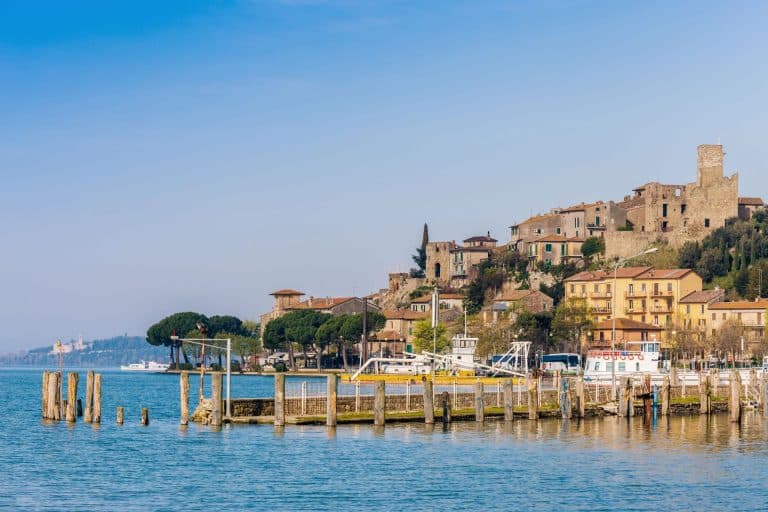
 Tuoro sul Trasimeno
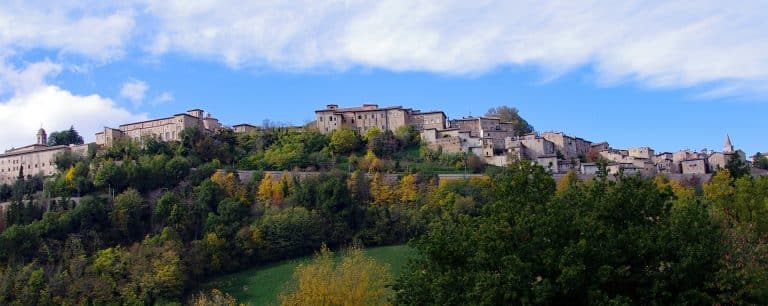 Montefeltro
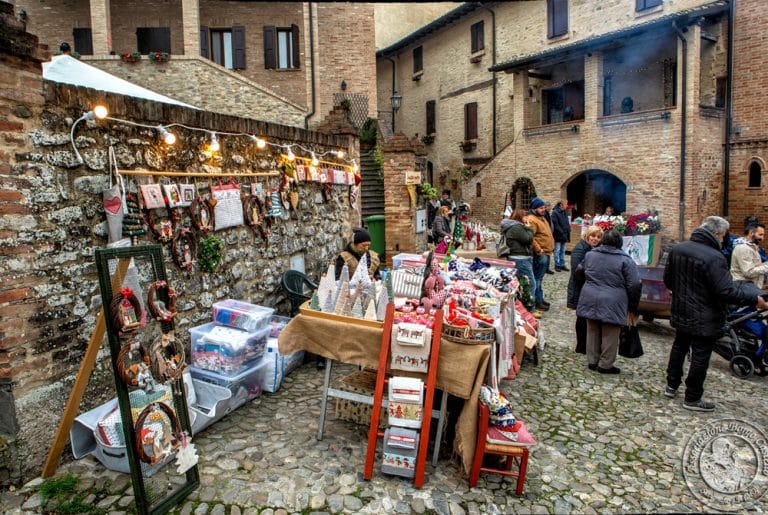 Medieval Markets in the Village
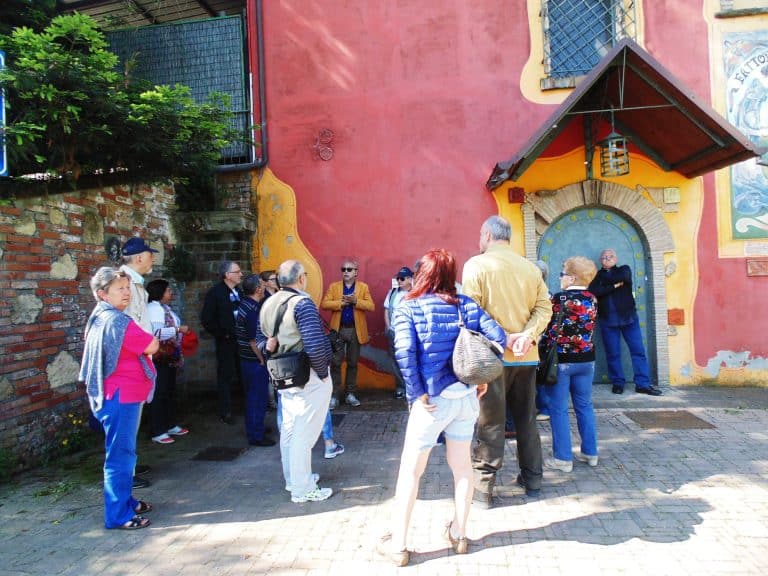 The Ca’ Rossa Experience: from vineyard to glass
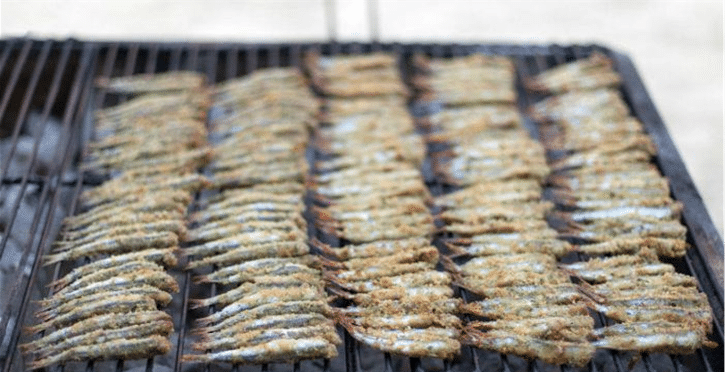 La Rustìda in Gabicce Monte: the authentic flavour of the Adriatic, where sea, hills and tradition meet
Spigno Monferrato is a small village located in the province of Alessandria, which can amaze the traveler in every season thanks to the many beauties to be discovered both in the village and its surroundings.
It is a place where it is possible to breathe a very peaceful air, immersing oneself in an atmosphere that calls to mind the imagery of past decades. While having a tourist offer consistent with the needs of a contemporary clientele, Spigno Monferrato invites its visitors to adapt to the rhythms of the past.
Photo gallery


Spigno Monferrato is a small town in Val Bormida lying on a rocky outcrop, lapped by two rivers. It is located in the Province of Alessandria on the border with Liguria and is included in the upper Monferrato area close to the Langhe. It is a village rich in history, with ample evidence of the past. It presents a varied, sometimes rugged landscape where gullies visually impose themselves. However, there are river environments (Bormida River and Valla Stream), hazel groves, vineyards, forests and pastures. It is a destination for sustainable tourism, thanks to hiking trails with excellent views, hospitality of great quality, cuisine according to ancient peasant tradition, monuments and works of art.
History
The village of Spigno and its territory have a very ancient history: the discovery of some stone axes from the Neolithic period (6000-3000 B.C.) indicate that the area was already frequented in prehistoric times, but the first inhabited nucleus of the village dates back to Roman times: evidence of this is provided by some archaeological findings including tombstones with dedicatory inscriptions, indicative of the existence of a rather populated and important settlement, in which people illustrious enough to merit an epigraph commemorating their merits lived. The village probably arose along the Via Aemilia Scauri, which connected Derthona (Tortona) with Vada Sabatia (Vado Ligure) and traced the route of one of the “Salt Roads,” the roads that from very distant times connected the interior of the Po Valley with the Ligurian coast, allowing the exchange of goods with salt, valuable for food preservation and for tanning leather.
In the Middle Ages, Spigno was dominated by the Marquises of Monferrato and later by the Duchy of Milan, which administered the territory through the Marquises Del Carretto. When the Del Carretto family died out at the end of the 1500s, the entire fiefdom came under the rule of the Asinari family, to whom it remained until 1724, only to be sold to Amedeo II of Savoy.
Even today the historic center of the village gathers around the parish church of Sant’Ambrogio and the fortified space of the castle, built by the Del Carrettos and destroyed by the Savoys in the 17th century: its surviving ruins and the outline of the church stand out at the top of the rocky spur between the Valla stream and the Bormida di Spigno on which the village stands, with its characteristic ‘wedge’ shape.
The historic center clearly preserves the medieval urban layout, with tall, narrow houses, very close together and separated by very small streets, built on several levels of ‘terraces,’ surrounded by protective walls, some traces of which still remain. These have been overlaid and intermingled with buildings of various eras with some fine mansions belonging to the noble or upper middle class families who lived or came on holiday to Spigno, for many years the most important town in the surrounding area. Some of these stately homes preserve carved and decorated stone portals, elegant little balconies and lush hanging gardens (taken from Eleonora Grillo).
Of note are two historical events that occurred in the 17th century. The witchcraft trial that occurred in 1631 and 32, at the time of Manzoni’s plague. This, which was believed to be caused by people, found a much more acceptable explanation than divine retribution or perfidious astral conjunctions, etc., turned out to be. Identifying the culprits, clarifying their strategy, identifying their weapons, allowed for an active attitude, exercising defense, turning terror into hatred. On July 9, 1631, the Curia’s Fiscal Prosecutor reported to the vicar foraneo Giovanni Verruta the denunciation of “little God-fearing Christians and Christians …..”
The accusation had been raised against people living outside the village, to be precise at Rocchetta. From there on every step followed the expected procedure: interrogations, testimony, further accusations on the basis of subjective statements, torture. At the same time, the contrasts between the two powers were accentuated; the temporal power of the Marquis, who wanted to proceed with the execution of the “witches” due to pressure from the population, desire for revenge, fears; on the other hand, the ecclesiastical power, which claimed for itself the suitability and ability to examine questions of heresy, witchcraft and, eventually, proceed to condemnation. In essence, ecclesiastical justice proved to be more prudent, modern, and respectful of procedure, enjoining secular justice to refrain from executions. The accused, however, imprisoned under the jurisdiction of the Marquis, meanwhile died, it is not known for what causes.
Another relevant historical fact occurred in 1659. It was the result of an apra and long dispute between the Community of Spigno and Marquis Federico Asinari Del Carretto. The village was administered as a municipality, of which we preserve the original statutes written in the vernacular, yet it was part of the Marquisate of Spigno, whose appointment was imperial. Between January 20 and 23 local history (Francesco Ramondini 1847, Francesco Nano 2005, Antonio Visconti 2017) reports the “Episode of the Farabouts.” This was a plan by Marquis Federico Asinari to slaughter the entire Spignese population gathered in procession on January 20. The plan was discovered and the population was informed of the danger, with the recommendation not to leave their homes. A conflict ensued between Frederick’s mercenaries and the Spigno youths, with the help of Savoyard troops; the latter, victorious, induced the persecutors to flee with conspicuous losses. Spigno was freed from the misrule of Marquis Frederick.
Village of Spigno Monferrato
Municipality of Spigno Monferrato
Province of Alexandria
Piedmont Region
Inhabitants: 900 spignesi
Altitude center: 217 m s.l.m.
Municipality
Piazza Garibaldi, 18 – Tel. 0144 91155
The Pucia of the Witches of Spigno Monferrato
A dish included in the De.Co Register of Spigno Monferrato, the Pucia delle Streghe was probably the dish of great occasions of the 14 women, protagonists, in spite of themselves, of the famous “trial of the witches of Spigno” that took place in 1631, originally from the charming village of Rocchetta Vecchia; in fact, in Spigno Monferrato and in particular in the hamlet of Rocchetta di Spigno until the 1990s of the last century the Pucia Festival took place.
Pucia delle streghe (witches’ pucia) is considered a poor and now almost unknown dish, practically disappeared from almost all menus, not only of restaurants, but also of taverns or trattorias that cook typical dishes.A unique dish that has fed generations of peasants, pucia belongs to the culture of the rugged lands where the Alto Monferrato now gives way to the Langa and the Apennines and represents, so to speak, its gastronomic synthesis.
Richer than simple polenta, less elaborate than the classic minestrone, suitable to be eaten hot or cold, congealed and then fried in oil, better still toasted on the stove, pucia has been forgotten for years, the blameless victim of an ephemeral well-being that has relegated it among the “dishes of shame,” with its variations from village to village, valley to valley.
It is a well-balanced food, containing a certain amount of fat (the lard in the soffritto), hearty vegetables (cabbage and beans), and farinaceous grains; it is tasty, not difficult to digest, keeps for a long time, and cold can be cut up and, as was once done, taken to the vineyard or pasture or to a picnic for a frugal lunch. Sliced fried in hot oil, it is a rustic and original appetizer.
Tajaren with rabbit ragout
Tajaren with rabbit ragout is another dish entered in the De.Co Register of Spigno Monferrato).
Ingredients for 1 kg of tajaren
9 hg 0 flour
1 hg semolina flour
15 eggs (8 yolks and 7 whole)
salt and oil to taste
Ingredients for rabbit ragout
carrots, onions, thyme, rosemary and herbs
olive oil
salt and pepper
vegetable broth
tomato paste,
1 kg boneless rabbit (noble part)
Preparation:
Prepare sauté with oil, diced onion and carrot, add herbs, coarsely chopped rabbit meat, a tablespoon of tomato paste, salt and pepper to taste. Add broth and cook (at least three hours).
– A hiker’s walk with party is held on Angel Monday in one of the hamlets in the municipality of Spigno, hamlet Rocchetta, with music and lunch.
– In the hamlet of Montaldo, a hiker’s walk is held on June 3 and 4, ending in celebration with music and lunch.
– On the second or third Sunday in July, “Figazin Day” is held in the hamlet of Turpino: Mass at the church of St. John the Baptist, hiking walk, music and snack in the company of the Figazin
What to see in Spigno Monferrato
Discover what to see in Spigno Monferrato among monuments, scenic views, museums, churches and symbolic places of the village. A useful selection to plan your visit and explore the area.

St Charles Borromeo Church

Abbey of St Quentin

Plaque commemorating the passage of King Charles Albert

Plaque commemorating the passage of Pope Pius VII

Parish Church of St. Ambrose

Oratory SS. Annunziata

Fountain of Leda and the Swan

Municipal Theater Cinema

Church of Santa Maria della Visitazione

Castle Area and Ruins of Spigno