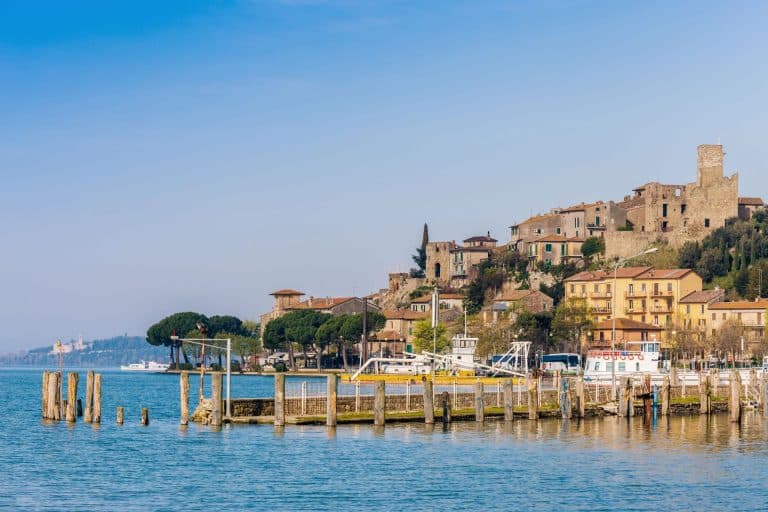
 Tuoro sul Trasimeno
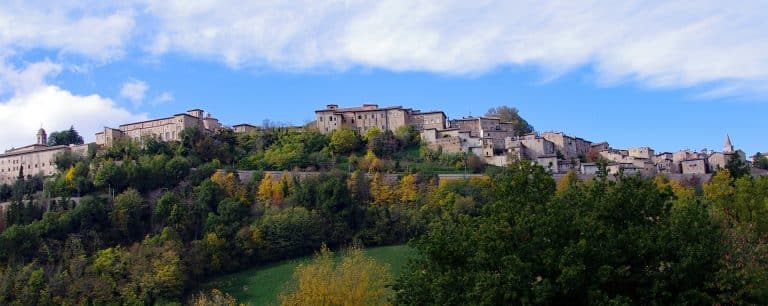 Montefeltro
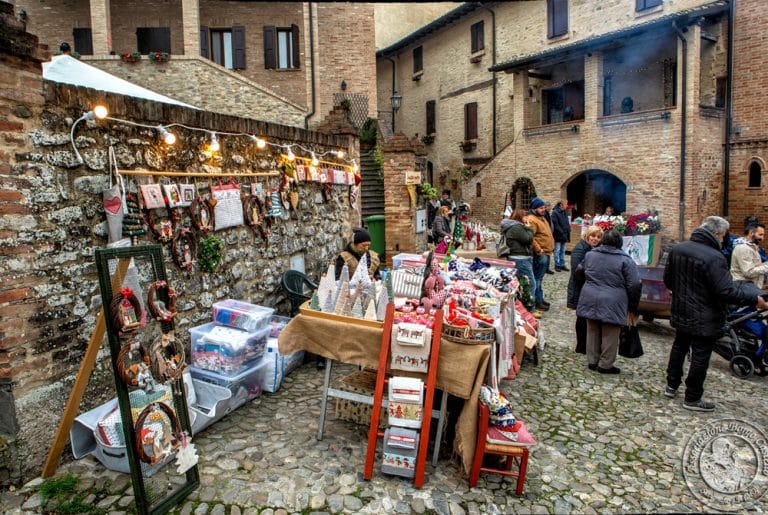 Medieval Markets in the Village
 The Ca’ Rossa Experience: from vineyard to glass
 La Rustìda in Gabicce Monte: the authentic flavour of the Adriatic, where sea, hills and tradition meet
Perched on a scenic cliff in the province of Campobasso, Oratino is a Molise village rich in charm and tradition. With its frescoed churches, palaces decorated by local stonemasons and the striking Rocca, Oratino enchants visitors with breathtaking views and a timeless atmosphere. A jewel of art and history, nestled in the nature of Molise.
Photo gallery


In the heart of Molise, just a few kilometers from Campobasso, lies Oratino, one of the most beautiful villages in Italy, perched on high ground overlooking the middle valley of the Biferno River. Situated almost 800 meters above sea level, it offers an unparalleled view of the Matese and Maiella mountains, providing a stunning natural setting. The name, allegedly derived from the Greek orào (“to see”), alludes precisely to its extraordinary panoramic position.
A village with ancient roots
Oratino’s origins date back to the Bronze Age, as shown by archaeological finds in the La Rocca area, including a necropolis and remains of megalithic walls. During the Middle Ages the village experienced complex feudal events: it was the domain of, among others, the Angiò, the D’Evoli, the Gambatesa, the Caracciolo and finally the Giordano, a family that contributed decisively to the artistic and cultural development of the community. In the 18th and 19th centuries Oratino experienced a true “artistic renaissance,” thanks to the work of local stonemasons, painters, carvers and decorators, famous throughout the Kingdom of Naples.
Art and architecture
Walking through the alleys of Oratino is like walking through an open-air art gallery. Palazzo Giordano, or Ducal Palace, retains the elegance of the Baroque era with its portal decorated with acanthus leaf motifs and massive fortified walls. Next door, the Church of Santa Maria Assunta – built in medieval times and later restored several times – holds valuable works, including Ciriaco Brunetti’s Last Supper and Assumption of the Virgin.
Just outside the village, the Church of Santa Maria di Loreto preserves an outstanding 18th-century painting cycle by brothers Ciriaco and Stanislao Brunetti, and some wooden statues of extraordinary finesse, attributed to Carmine Latessa and Giovannitti, who also originated from Oratino.
The Rock and the Belvedere
Not to be missed is a walk to the Fortress of Oratino, an ancient Longobard settlement abutting an imposing cliff. The place is shrouded in legends and is fascinating for its open view of the entire valley. From Belvedere Calise, on the other hand, there is an extraordinary panorama that embraces the mountains of Molise and Abruzzo.
Il borgo degli scalpellini
Oratino is known as a village of stonemasons, artist-craftsmen who have left evidence of their craftsmanship in the doorways of homes, finely decorated balconies and architectural details that dot the historic center. Some of these, such as Pasquale Chiocchio, also contributed to the construction of the Basilica of Castelpetroso, one of the religious symbols of Molise.
Traditions and flavors
Among the most heartfelt traditions is “La Faglia”, an evocative Christmas rite that takes place every December 24: a huge bundle of reeds, up to 15 meters high, is lit in the churchyard of the mother church as a propitiatory symbol for the new year.
Oratinese cuisine is simple but authentic, with traditional Molise peasant dishes, local products and typical holiday sweets. The genuine hospitality of the inhabitants and the slow pace of life make Oratino an ideal destination for those seeking tranquility, culture and enchanting landscapes.
A heritage to be experienced
Included among Italy’s Most Beautiful Villages and Molise’s Villages of Excellence, Oratino is an extraordinary example of how art, history and nature can blend harmoniously. A place where every stone tells a story, every glimpse invites contemplation and every visit becomes an indelible memory.
Municipality of Oratino
Province of Campobasso
Molise Region
Inhabitants: 1.678 oratinesi
Altitude center: 795 m a.s.l.
The Municipality is part of:
I Borghi più belli d’Italia
Protected Natural Areas:
Parco delle Morge Cenozoiche del Molise
Municipality
Piazza Raffaele Rogati 3 – Tel. +39 0874 38132
BY CAR
- From the North: From the A14 Adriatica motorway towards Pescara, exit at Termoli, follow the direction of Campobasso / Larino, take the SS 87 (Bifernina state road), continue on the SS 647, turn onto the SP 169 in the direction of Oratino (SP 41 ).
- From the south: Autostrada Adriatica A14, follow the direction of Pescara, continue on the A16 motorway, follow the direction of Benevento, in Benevento continue on the SS 88, exit at Campobasso, take the SS 87 (Bifernina state road) towards Campobasso / Isernia, continue on the SS 17 always in the direction of Campobasso, continue on the SS 647 in the direction of Termoli, take the direction for Oratino (SP 41).
- From Campobasso: Take the Stada Provinciale 41 in the direction of Oratino.
- From Naples: From the A1 highway, exit at Caianello, turn towards Benevento, continue towards Campobasso, SS 17, then SS 647, continue towards Oratino (SP 41).
- From Rome: From the A1 Autostrada del Sole motorway, exit at San Vittore, follow direction Campobasso, reach the SS 17 state road, continue along the SS 647 state road and follow the directions for Oratino (SP 41).
ON THE TRAIN
- Campobasso railway station
BY PLANE
- Foggia airport
- Naples airport
- Pescara airport
- Rome Ciampino Airport
- Rome Fiumicino Airport
BY SEA
- Port of Termoli
- Port of Naples
- Port of Pescara
What to see in Oratino
Discover what to see in Oratino among monuments, scenic views, museums, churches and symbolic places of the village. A useful selection to plan your visit and explore the area.