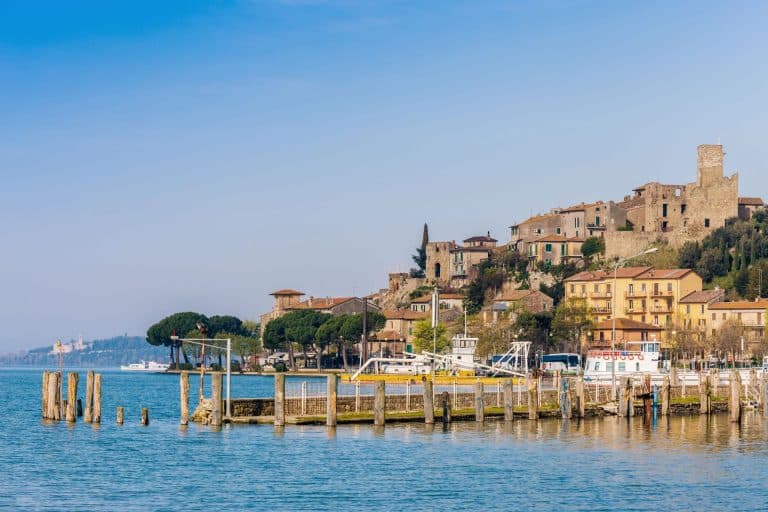
 Tuoro sul Trasimeno
 Montefeltro
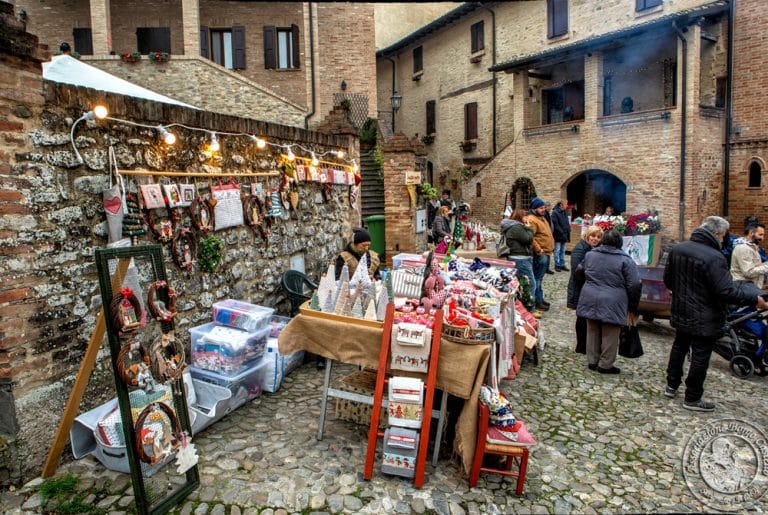 Medieval Markets in the Village
 The Ca’ Rossa Experience: from vineyard to glass
 La Rustìda in Gabicce Monte: the authentic flavour of the Adriatic, where sea, hills and tradition meet
In the heart of the Bassa Reggiana, where the Po meets the quiet of the plains, lies Gualtieri, a village rich in history, art, and evocative landscapes. Its Renaissance soul still lives on in the magnificent Piazza Bentivoglio, considered one of the most beautiful squares in Italy, and in the grandiose Palazzo Bentivoglio, testimony to the power and vision of the family of the same name. Here, architecture, memory, and nature interact in harmony: from the frescoed rooms of the palace to the museum dedicated to Antonio Ligabue, from the elegant churches to the wild charm of the Po floodplain. It is a place that tells the story of monumental land reclamation, rural traditions, and a cultural heritage waiting to be discovered.
Photo gallery


Village videos
Gualtieri is one of the jewels of the Bassa Reggiana, that part of the plain that lives in constant dialogue with the Po River, made up of fertile countryside, rural courtyards, historic villages, and landscapes suspended between water, fog, and light, where centuries-old traditions and rural life continue to mark the slow pace of the territory.
Its origins date back to the Lombard era, when the place was known as Castrum Vultureno and then Castrum Walterii, residence of the Lombard Gualtiero in the 7th century. But it was between the 15th and 17th centuries that Gualtieri took on the identity that still distinguishes it today: first under the Sforza family, then under the Este family, until it became the marquisate of the Bentivoglio family, who built one of the most extraordinary “new cities” of the Po Valley Renaissance here.
It is precisely to the Bentivoglio family that Gualtieri owes its spectacular Piazza Bentivoglio, considered one of the most beautiful squares in Italy: a perfect square measuring 96 meters on each side, lined with elegant porticoes and designed by Ferrara architect Giovan Battista Aleotti, known as l’Argenta, as a large urban theater that would enhance the power of the family. Dominating the eastern side of the square stands the majestic Palazzo Bentivoglio, what remains of an originally enormous monumental complex, divided into four 90-meter-long terracotta buildings. Inside, there are frescoed rooms of rare beauty: the Salone dei Giganti, the Sala dell’Eneide, the Sala di Icaro, the Sala di Giove, the Cappella Gentilizia, and the Sala dei Falegnami, all examples of the late Mannerist elegance that marked the era.
The palace also houses the Antonio Ligabue Documentary Museum and Study Center, dedicated to the great 20th-century naïve painter who lived for many years in Gualtieri, and a rich exhibition dedicated to master tailor Umberto Tirelli.
Next to the palace are the Civic Tower and the Collegiate Church of Santa Maria della Neve, also designed by Argenta and rebuilt in the 18th century after a disastrous flood. Not far away, the refined Church of the Conception (16th century) is worth a visit, with its splendid carved wooden ceiling dating back to 1650, as is the picturesque Teatro Sociale, an 18th-century gem known as the “upside-down theater” due to the inverted layout of the stalls and stage.
Completing the elegant appearance of the village is the stylish Villa Torello-Malaspina-Guarienti, accessible via a perpendicular avenue, with its romantic English garden, one of the most evocative in the province. Not far away, in the hamlet of Santa Vittoria, stands the 18th-century Palazzo Greppi, a monumental rural residence that has recently been restored.
Between history, nature, and land reclamation
Gualtieri is closely linked to the waters of the Po River and the hydraulic engineering works that have transformed the Reggio Emilia plain over the centuries. The large-scale land reclamation projects commissioned by Cornelio Bentivoglio between the 16th and 17th centuries, which made the ancient marshlands cultivable, are still fully operational today and can be visited via cycle paths immersed in the rural landscape.
The Po floodplain offers unique naturalistic views: poplar woods, oxbow lakes, former quarries transformed into small lakes, dirt tracks, and panoramas that tell the story of the millennial relationship between man and river. Fishermen, washerwomen, millers, and Ligabue himself lived here, finding many of his most intense subjects in the wild nature of the floodplain.
Village of Gualtieri
Municipality of Gualtieri
Province of Reggio Emilia
Romagna Region
inhabitants: 6.307 gualtierini
altitude center: 22 m s.l.m.A
The Municipality is part of:
I Borghi più belli d’Italia
Municipality
Piazza Bentivoglio 26 – tel. 0522221811
BY CAR
- From Mantua: Take the A22 motorway, towards Brennero – Modena and exit at Reggiolo-Rolo, continue on the Strada Cispadana in the direction of Guastalla, take the SP 62, then continue on the SP 63 until Gualtieri.
- From Lucca: Take the A11 highway to Viareggio, continue on the A12 highway, follow towards La Spezia / Parma, continue on the A15 highway, near Parma and continue on the A1 highway. Exit at Reggio Emilia and follow towards Centro / Parma / Modena / Scandiano / Sassuolo / Aulla, continue on the SP 63 until Gualtieri.
- From Reggio Emilia: Take the SP 63, passing the villages of Sex, Cadelbosco di Sopra and continue until Gualtieri.
- From Parma: Take the SP 62, follow for Sorbolo, Bresciello, Gualtieri.
- From Modena: Take the “Via Emilia” SS 9 following signs for Reggio Emilia, continue on the SP 63, passing the villages of Sex, Cadelbosco di Sopra, continue until Gualtieri.
ON THE TRAIN
- Parma railway station
BY PLANE
- Parma airport
- Bologna airport
- Verona airport
Traditions and flavors
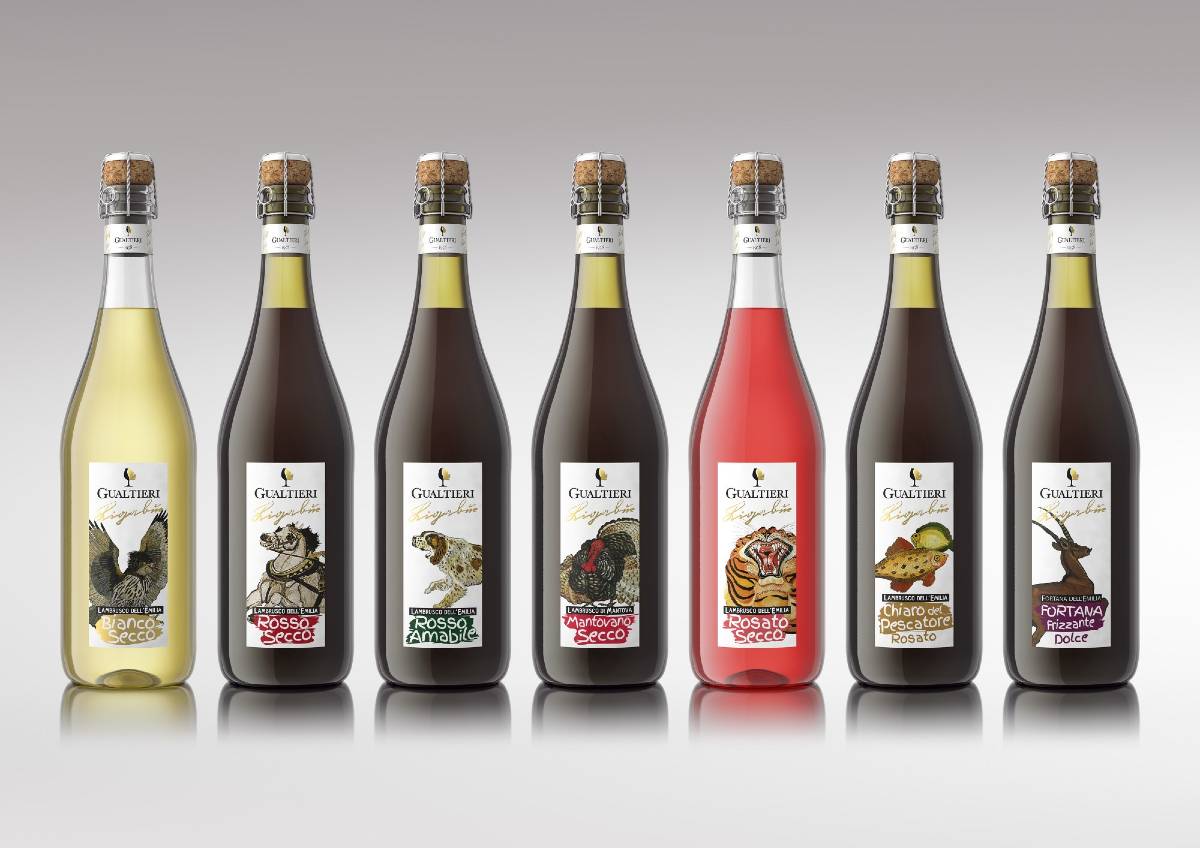
The cuisine of Gualtieri reflects the gastronomic richness of the Po Valley: dishes based on river fish, artisanal cured meats, pumpkin, Parmigiano Reggiano cheese, Lambrusco wine, and traditional balsamic vinegar. Don’t miss gnocco fritto, a fried dough snack best enjoyed warm with local cold cuts. Fogarina, an ancient native grape variety from the Reggio Emilia area, is also worth rediscovering and is currently the subject of an important promotion project.
Events not to be missed
- Journey to Gualtieri (September) – An entire month dedicated to culture, art, music, guided tours, special openings, and nature trails.
- Festa del Pozzo (June) – Dancing, food, and entertainment.
- October Festival – Local products, market, funfair, and the exciting cooking of Parmigiano Reggiano cheese.
What to see in Gualtieri
Discover what to see in Gualtieri among monuments, scenic views, museums, churches and symbolic places of the village. A useful selection to plan your visit and explore the area.

Where to eat in Gualtieri
For those looking for where to eat in Gualtieri, here are restaurants, trattorias, taverns and places to taste the area and experience the village through local cuisine.

Where to shop in Gualtieri
Discover where to shop in Gualtieri among small shops, local producers, wineries, artisan workshops and local excellences to take home after your visit.
Where to stay in Gualtieri
If you are looking for where to stay in Gualtieri, you can choose from hotels, B&Bs, farm stays and holiday homes in the village and nearby, for a slower stay among landscapes, culture and authentic hospitality.

News and stories about “Gualtieri”
Insights and stories from the area, to keep discovering.