 Tuoro sul Trasimeno
 Montefeltro
 Medieval Markets in the Village
 The Ca’ Rossa Experience: from vineyard to glass
 La Rustìda in Gabicce Monte: the authentic flavour of the Adriatic, where sea, hills and tradition meet
The seaside village of Grottammare, considered the pearl of the Adriatic, is located on the Riviera delle Palme. Of ancient origins, its historic center is perfectly preserved and like other medieval settlements, the marina of Grottammare is dominated by the Old Incasato clinging to the hill. To offer citizens and tourists opportunities for entertainment and growth, Grottammare is animated at all times of the year by an intense cultural life.
Photo gallery


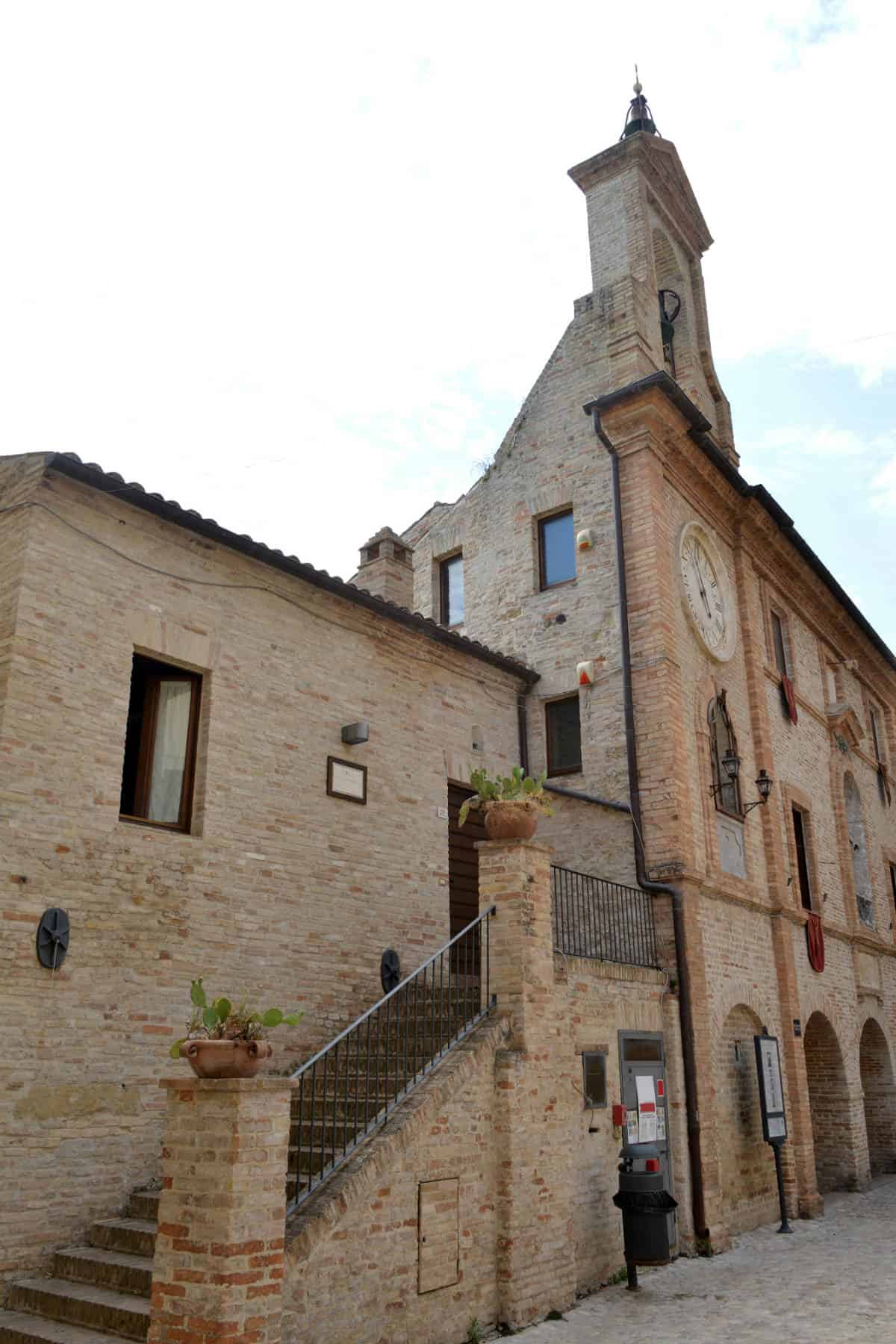
Grottammare, a jewel set along the Marche coast, stands out for its scenic beauty and rich history. This enchanting maritime village, situated between the deep blue of the Adriatic Sea and the rolling hills of the hinterland, is a place where past and present intertwine in a harmonious embrace. The town, part of “I Borghi più belli d’Italia”, is renowned not only for its beaches and temperate climate, but also for its cultural and artistic heritage.
Grottammare’s origins are rooted in the Neolithic period, as evidenced by archaeological finds in the area. The discovery of a Picene necropolis dating from the 7th-5th centuries B.C. testifies to the presence of ancient peoples who inhabited this area, making it a place of great historical interest. During the Middle Ages, Grottammare underwent a series of dominations and disputes: initially under the control of the Abbey of Farfa, it later passed to Fermo in 1214. Over the centuries, it was contested between Fermo and Ascoli, and its fortified walls, dating back to the 16th century, tell stories of battles and pirate attacks.
Grottammare’s historic center is a veritable treasure trove of architectural treasures. The cobblestone streets and stone houses create an intimate and charming atmosphere, inviting visitors to get lost in their alleys. Peretti Square, the hub of the village’s social and cultural life, is surrounded by fine historic buildings. Prominent among them are the Palazzo Priorale, the Altana dell’Orologio, and the Teatro dell’Arancio, a small but fine facility that hosts events and performances. From the square, you can access an elegant belvedere that offers breathtaking views of the Adriatic, making every visit an unforgettable moment.
One of the most fascinating features of Grottammare is the presence of numerous churches, each with its own history and architecture. The church of Santa Lucia, built in the 17th century and attributed to architect Fontana, is one of the most significant places of worship, commissioned by Pope Sixtus V. Walking along the walls, it is possible to visit the recently restored Torrione della Battaglia, which houses a museum dedicated to the artist Pericle Fazzini, known for his works of great emotional impact.
In addition to its artistic and historical heritage, Grottammare is also an important cultural center. Every year in mid-August, the town celebrates the Liszt Festival, an event that attracts pianists from all over the world. This festival is particularly significant because of the connection forged between Grottammare and Franz Liszt in 1868, when the famous Hungarian pianist stayed here for six weeks as a guest of Count Fenili. The event not only celebrates music, but also provides an opportunity for encounters and cultural exchange, bringing the name of Grottammare to an international audience.
Grottammare’s beauty is not limited to its historical and cultural heritage; the town is also surrounded by an extraordinarily beautiful natural landscape. Its beaches, with fine sand and crystal clear water, are perfect for a relaxing day in the sun, while the surrounding hills offer trails for hiking and nature walks. Gastronomy lovers can delight in local specialties, such as brodetto di pesce (fish soup) and the typical wines of the Marche region, which make for an equally memorable dining experience.
Grottammare is a place that enchants with its history, culture and natural beauty. Every corner of the village tells stories of a rich and fascinating past, while its culinary traditions and cultural events make it a lively and vibrant place. For those seeking a destination that combines relaxation, art and history, Grottammare is an ideal choice, a true corner of paradise on the Adriatic Sea.
Village of Grottammare
Municipality of Grottammare
Province of Ascoli Piceno
Marche region
Population: 16,006 grottammaresi
Altitude Center: 4 m s.l.m.
The Municipality is part of:
I Borghi più belli d’Italia
Città per la Pace
Acknowledgments
Blue Flag
Spighe Verdi
Municipality
Via Marconi 50 – phone +39 073-57391
BY CAR
- From North and South: Take the A14 motorway (from the north in the direction of Ancona and from the south in the direction of Naples), exit at Grottammare and follow the direction of Grottammare.
- From Ascoli Piceno: Merge onto the SP 235, continue in the direction of the Ascoli-Mare RA11 highway, follow the San Benedetto del Tronto – Ancona direction, continue on the A14 motorway until the Grottammare exit and follow the direction for Grottammare.
ON THE TRAIN
- Grottammare railway station
- San Benedetto del Tronto railway station
BY PLANE
- Ancona airport
- Pescara airport
BY SEA
- Port of Ancona
What to see in Grottammare
Discover what to see in Grottammare among monuments, scenic views, museums, churches and symbolic places of the village. A useful selection to plan your visit and explore the area.

Where to eat in Grottammare
For those looking for where to eat in Grottammare, here are restaurants, trattorias, taverns and places to taste the area and experience the village through local cuisine.

Where to stay in Grottammare
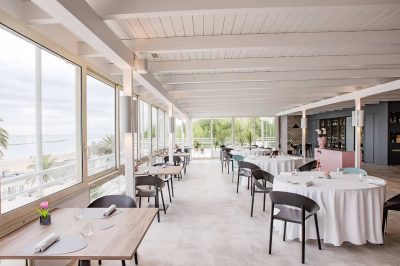
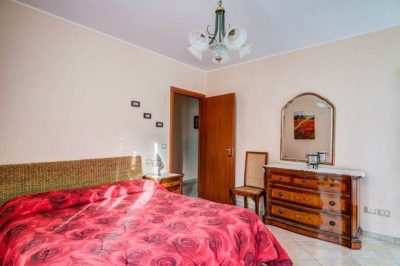
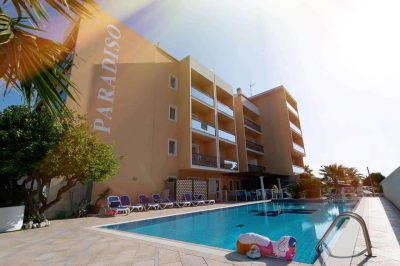
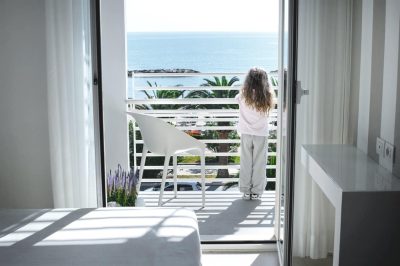
If you are looking for where to stay in Grottammare, you can choose from hotels, B&Bs, farm stays and holiday homes in the village and nearby, for a slower stay among landscapes, culture and authentic hospitality.


News and stories about “Grottammare”
Insights and stories from the area, to keep discovering.