 Tuoro sul Trasimeno
 Montefeltro
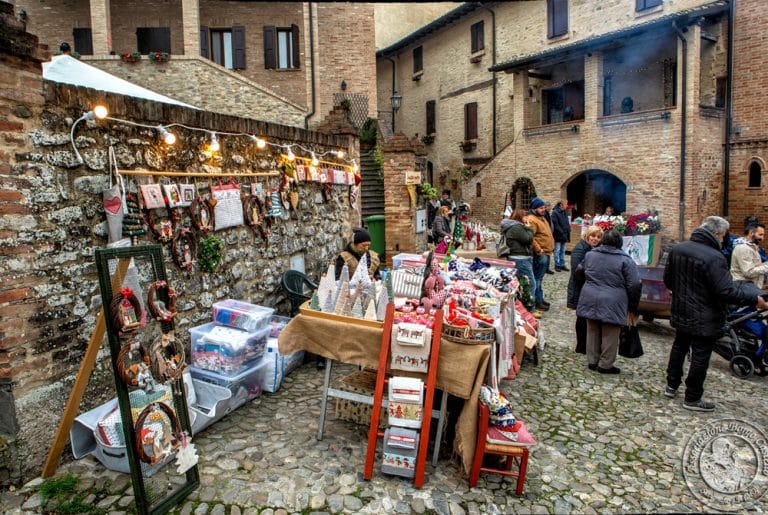 Medieval Markets in the Village
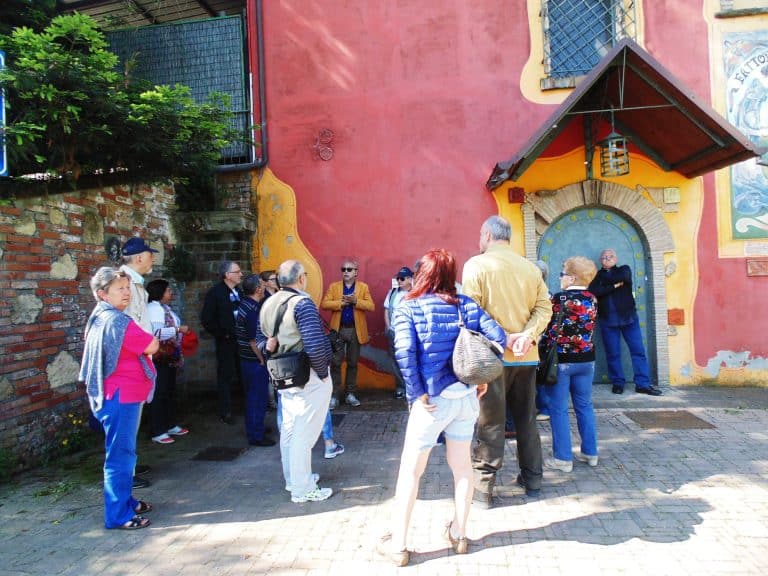 The Ca’ Rossa Experience: from vineyard to glass
 La Rustìda in Gabicce Monte: the authentic flavour of the Adriatic, where sea, hills and tradition meet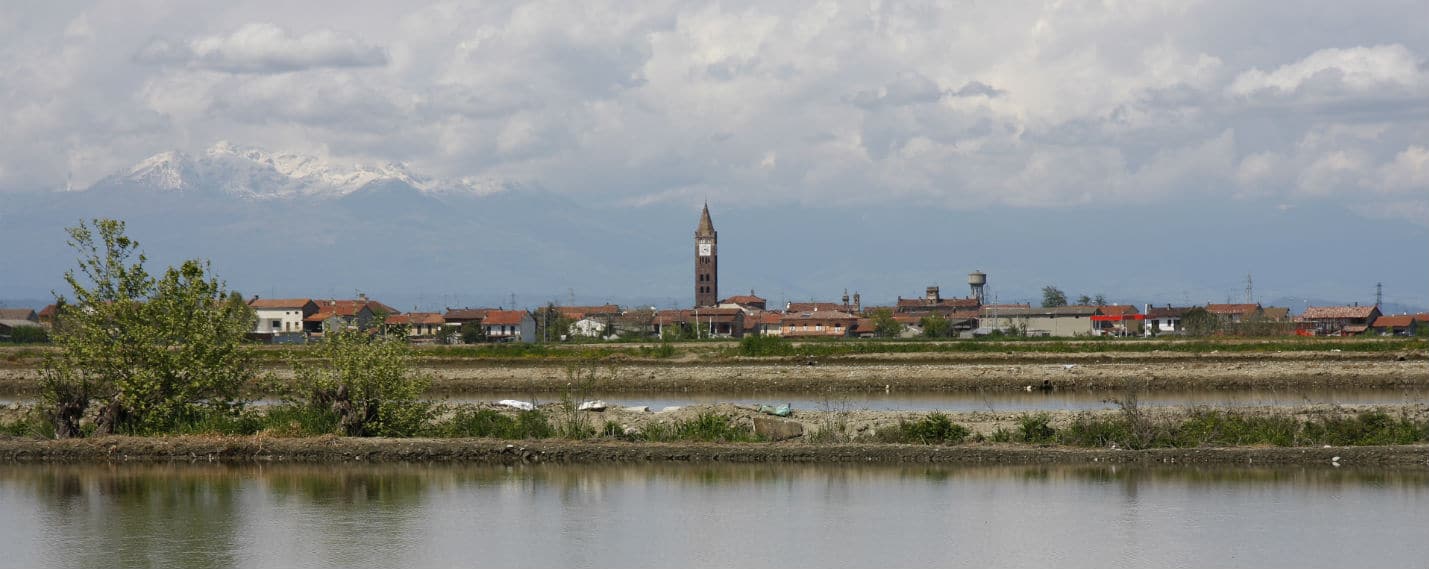
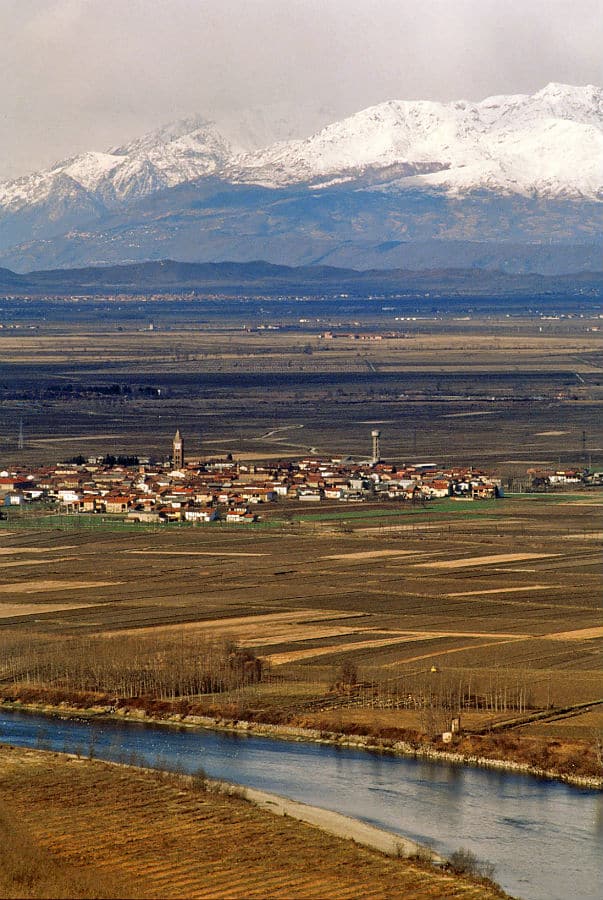
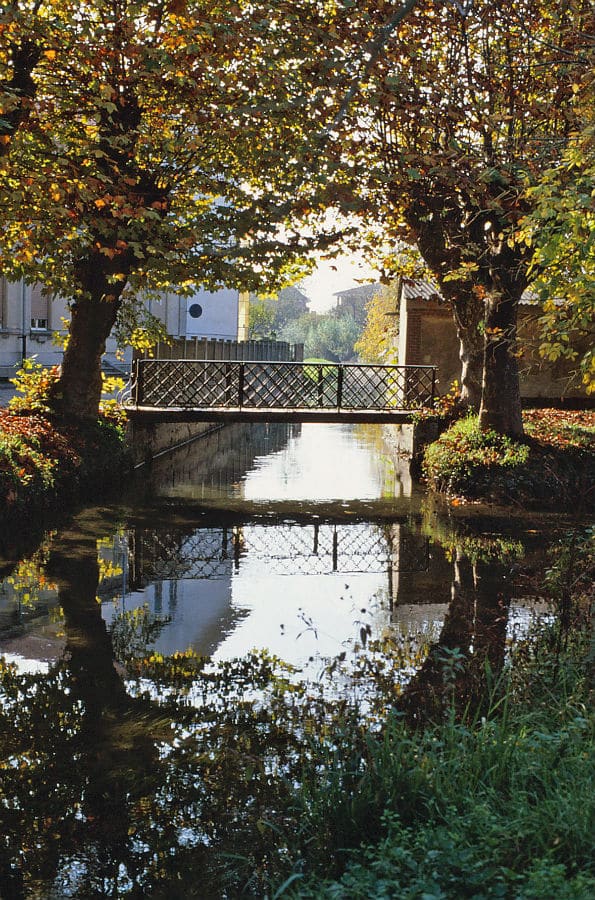
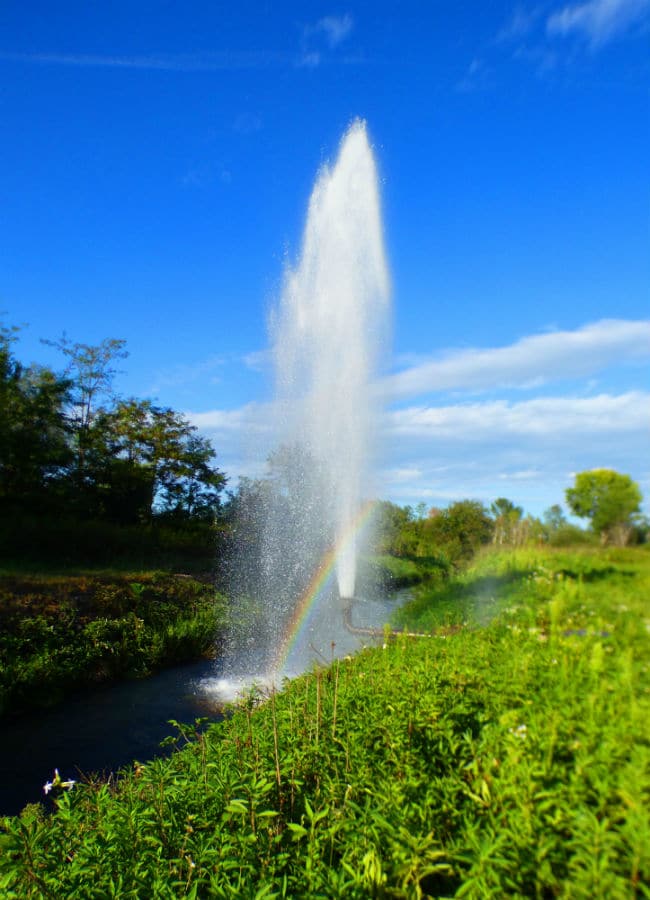
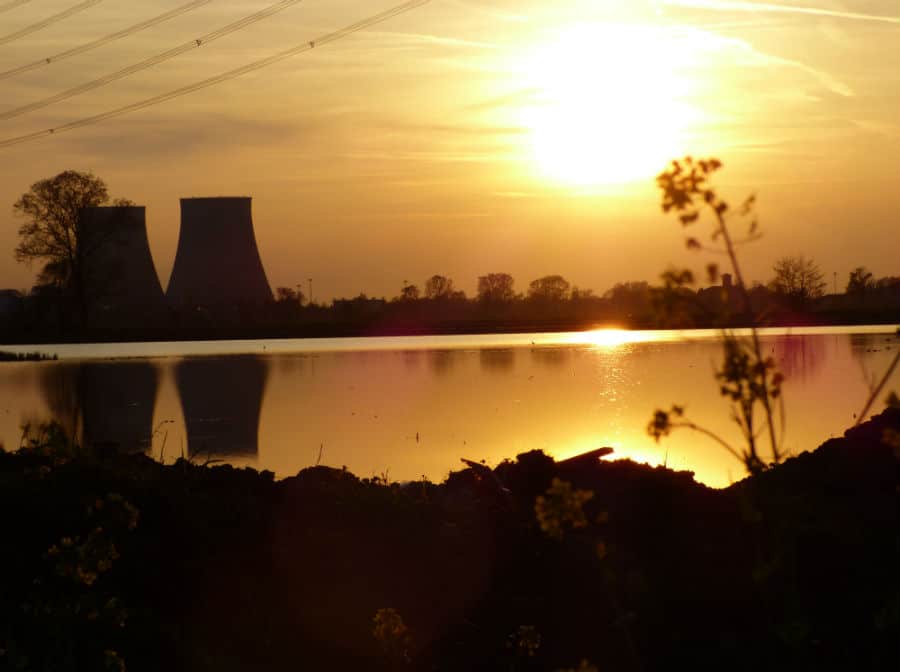
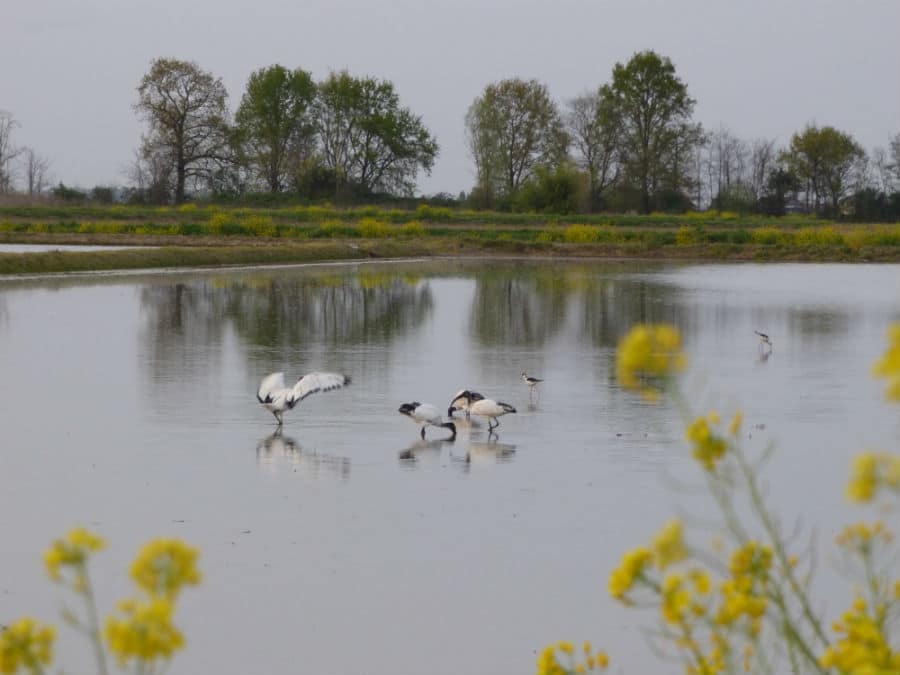
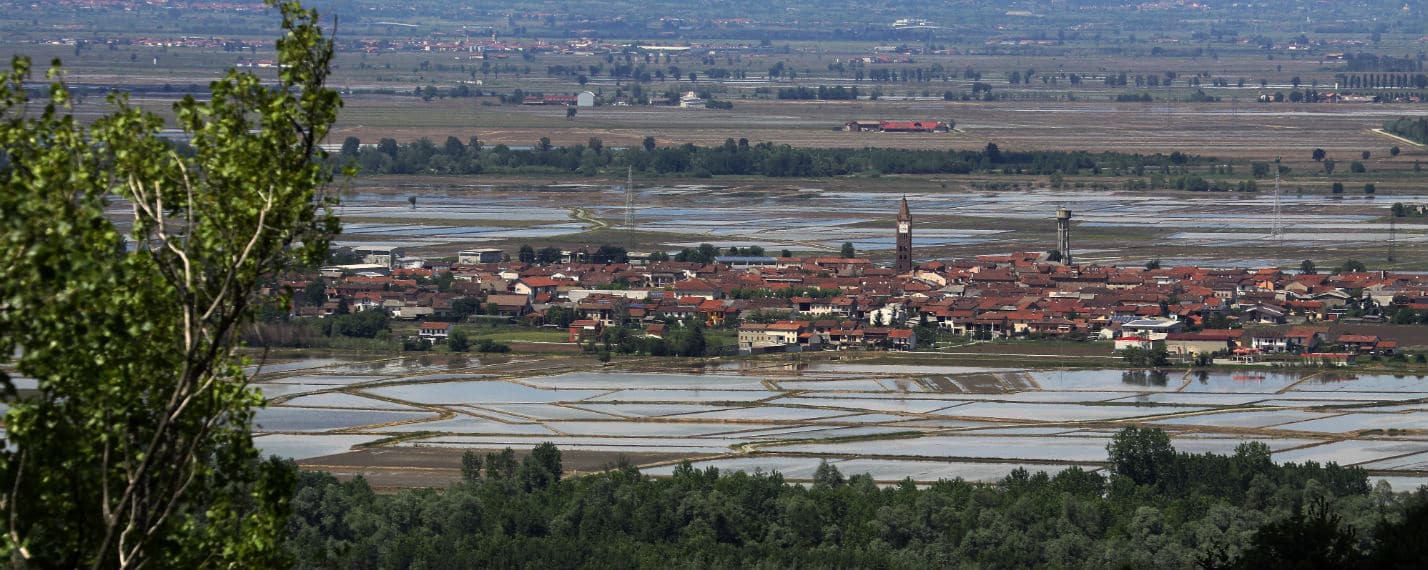
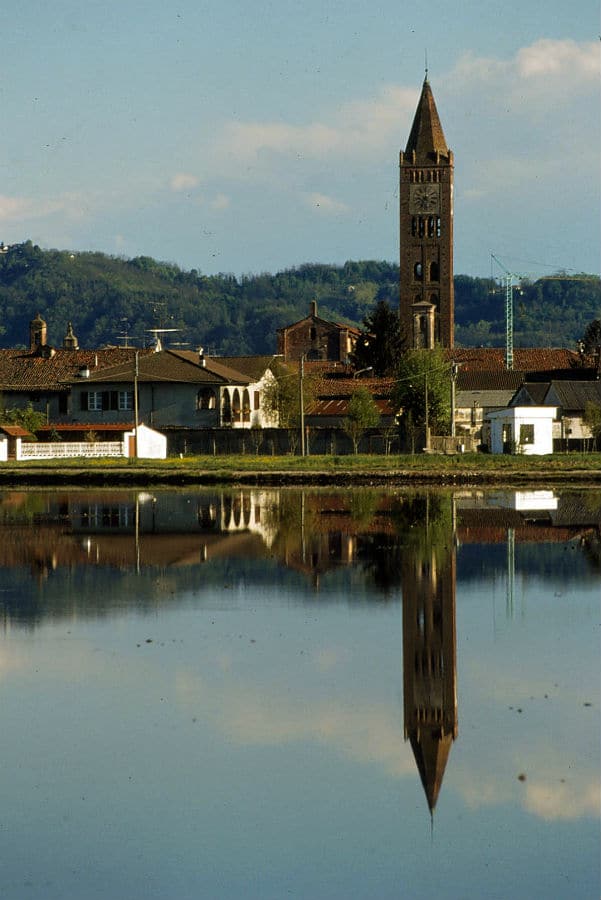
Nestled in the lush countryside of the Bassa Vercellese, not far from the course of the Po River, Fontanetto Po (Fontanè in Piedmontese) is a village of extraordinary historical and environmental charm. Its very name recalls the once widespread presence of numerous fontanili, springs of pure water that still draw a dense network of irrigation ditches in the town center. It is a place where water, stone and culture intertwine, revealing an agricultural and spiritual vocation that spans the centuries.
Photo gallery
Origins and historical vocation
The original settlement dates back to Roman times, when the area was known as Vetusta Cestis. After the barbarian invasions, it was thanks to the Benedictine monks of San Genuario that, in the 9th century, the population was gathered into a unified center. In 1242 Vercelli erected Fontanetto as a “borgofranco,” but it was in 1323, under Marquis Teodoro Paleologo of Monferrato, that the village assumed municipal status and was provided with defensive walls.
In the following centuries, Fontanetto’s fate followed the ups and downs of the seigniories of northern Italy: from the rule of the Gonzaga family of Mantua, to the Guerrera family, and then being disputed by the Savoy, French and Spanish, until its final annexation to the Savoy Kingdom in the early 18th century.
A country “of land and water”
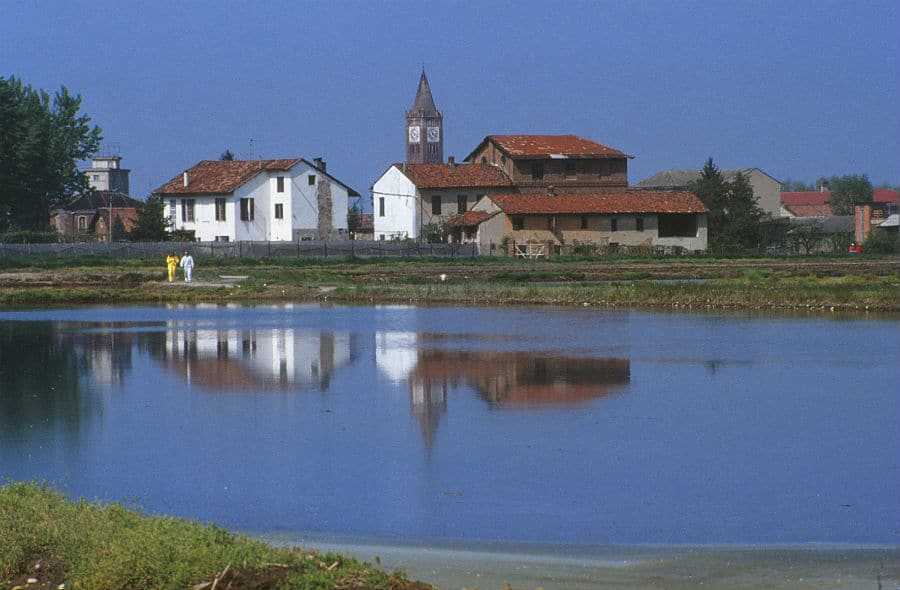
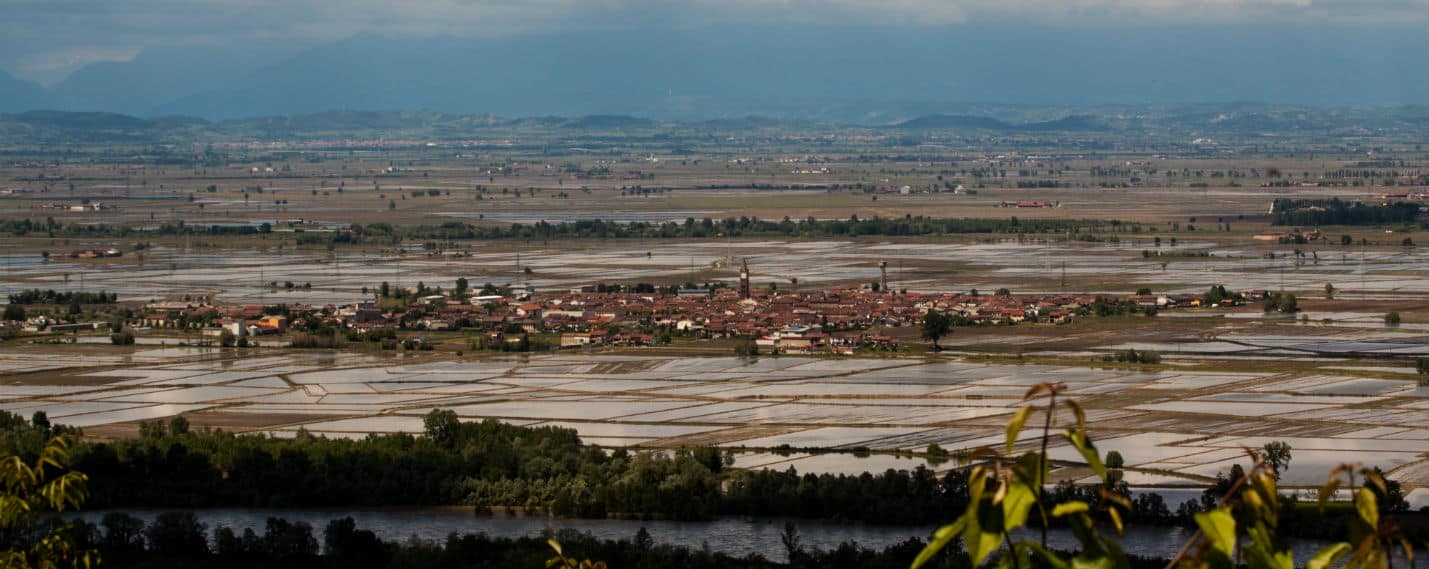
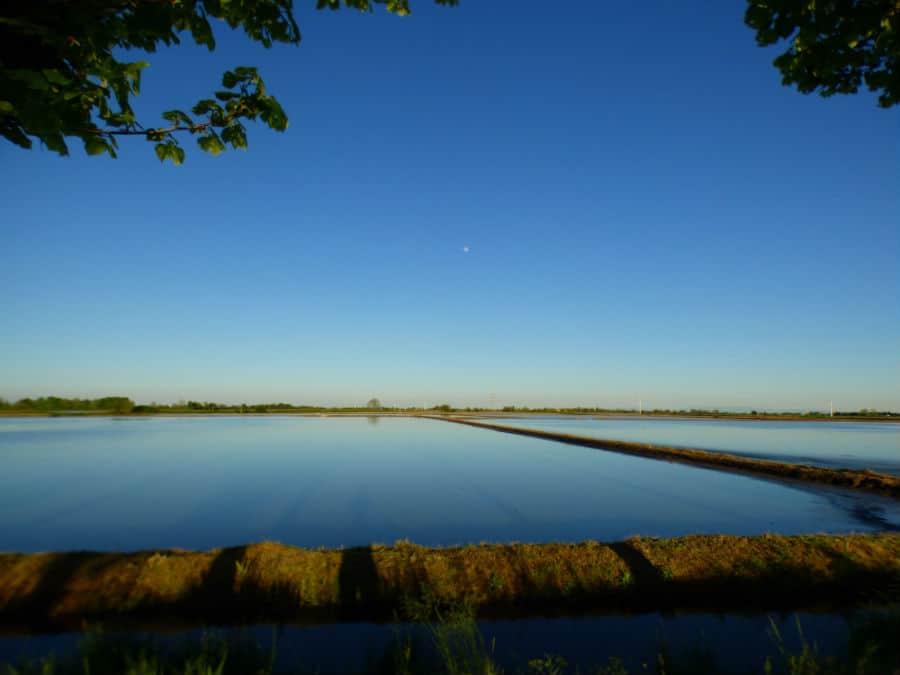
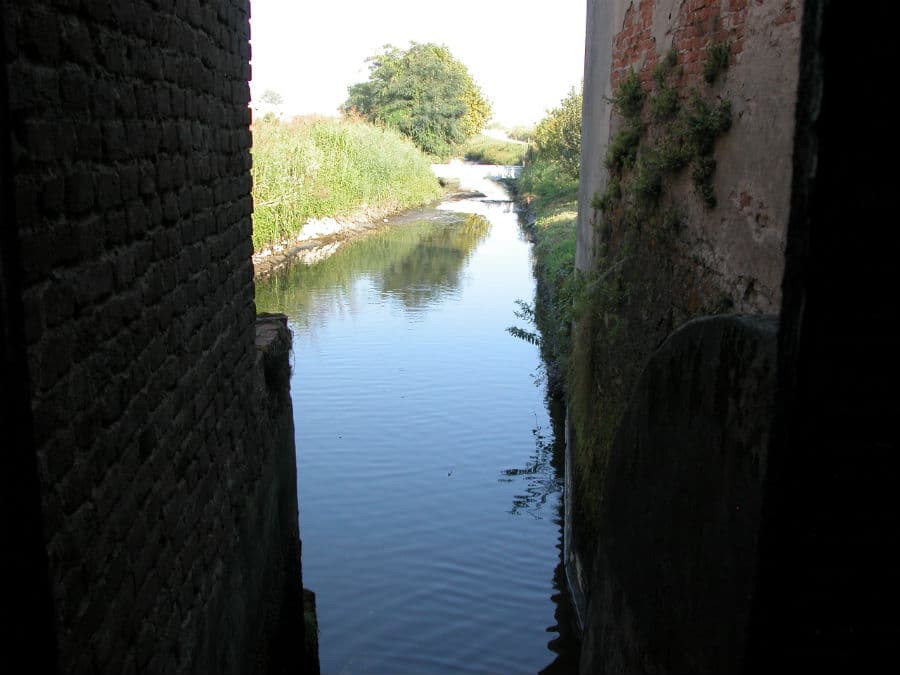
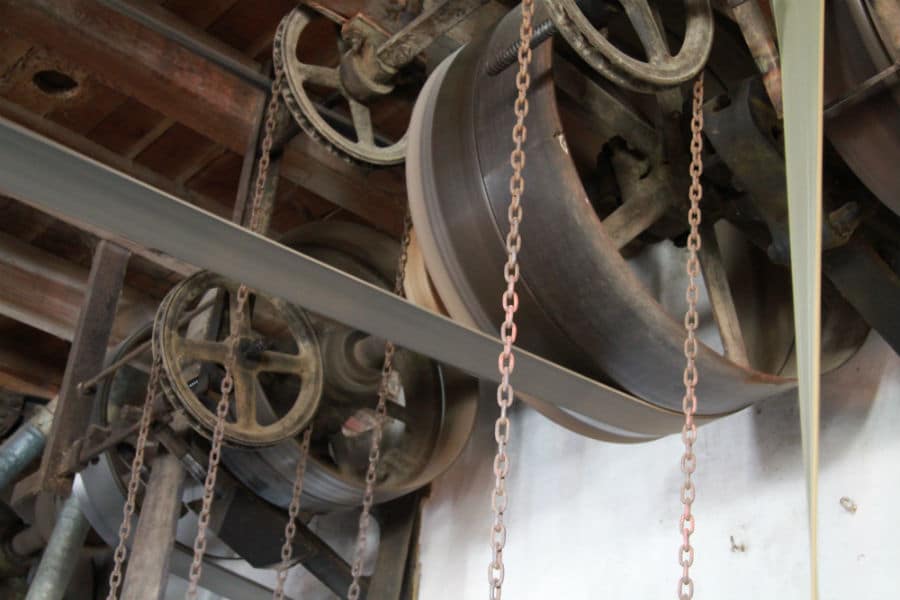
Today Fontanetto Po is known for its agricultural vocation, particularly rice cultivation, which makes it a landmark in the Vercelli “land of water.” As evidence of this connection, near the town stands the Antico Mulino – Riseria San Giovanni, the only surviving example in the province of a rice mill powered by the force of water. Now transformed into an ecomuseum, it can be visited by reservation to discover the ancient methods of rice processing.
A village between faith and art
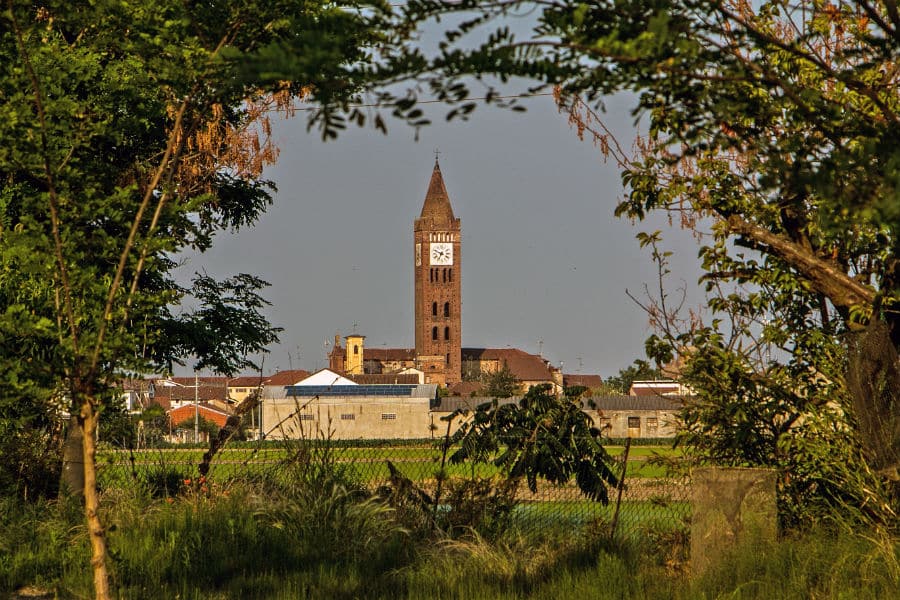
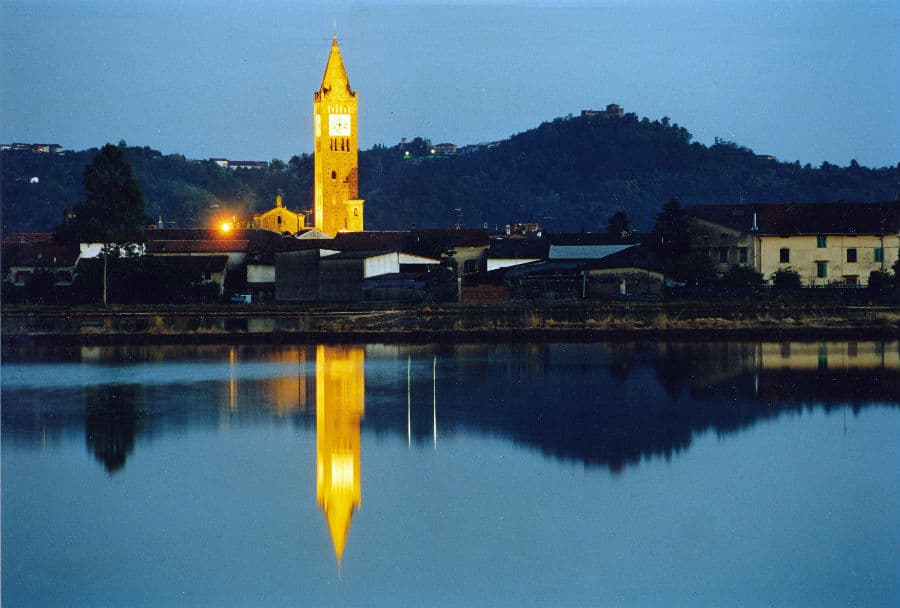
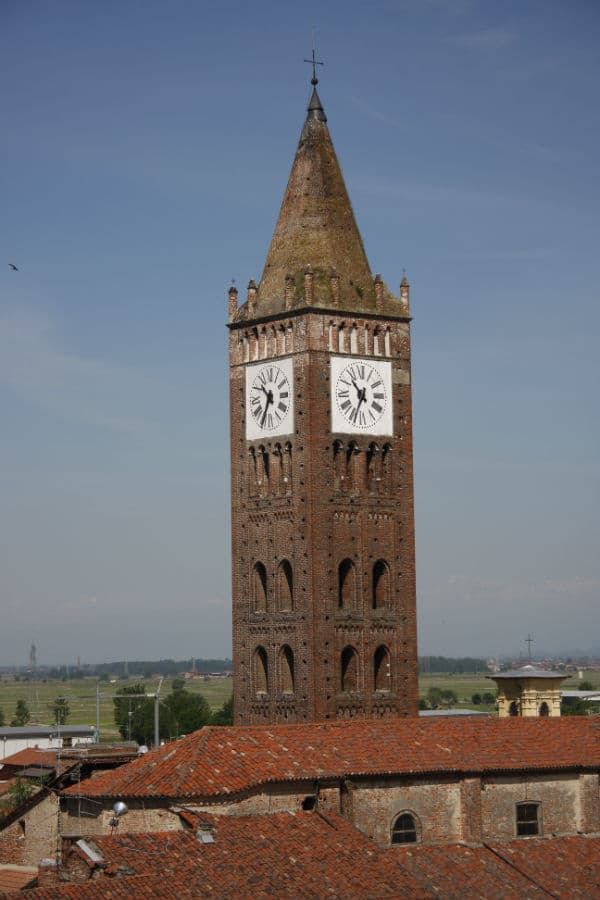
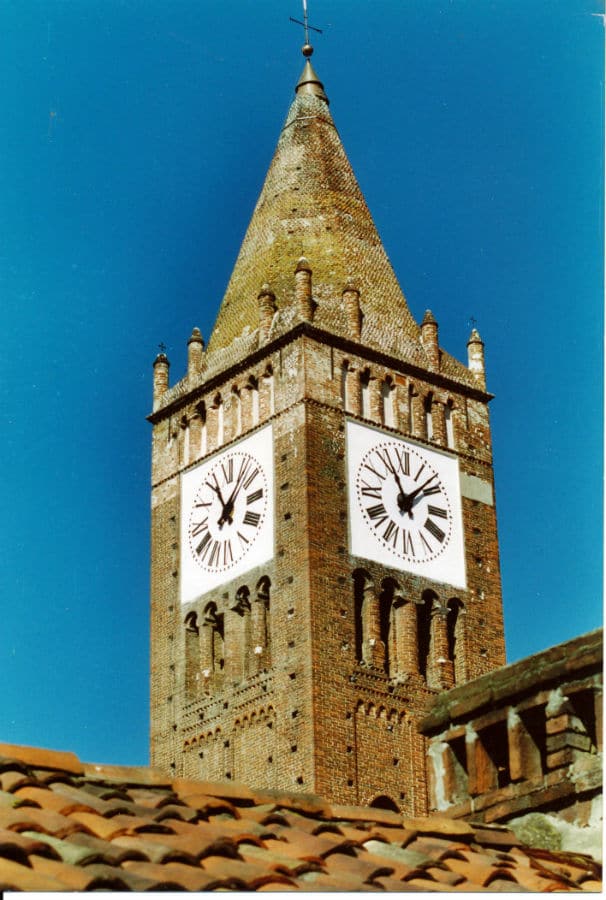
Fontanetto Po is also called a “land of faith” for its remarkable religious heritage. The parish church of San Martino, located in the heart of the village, boasts a 56-meter-high Romanesque-Norman bell tower, now a national monument. According to tradition, it was designed by Abbot Guglielmo da Volpiano, a leading figure in medieval architecture. The interior houses valuable works such as the Assumption of the Virgin with Saints Martin and Bononius and a 17th-century wooden crucifix of great value, known as the “Signur gross.”
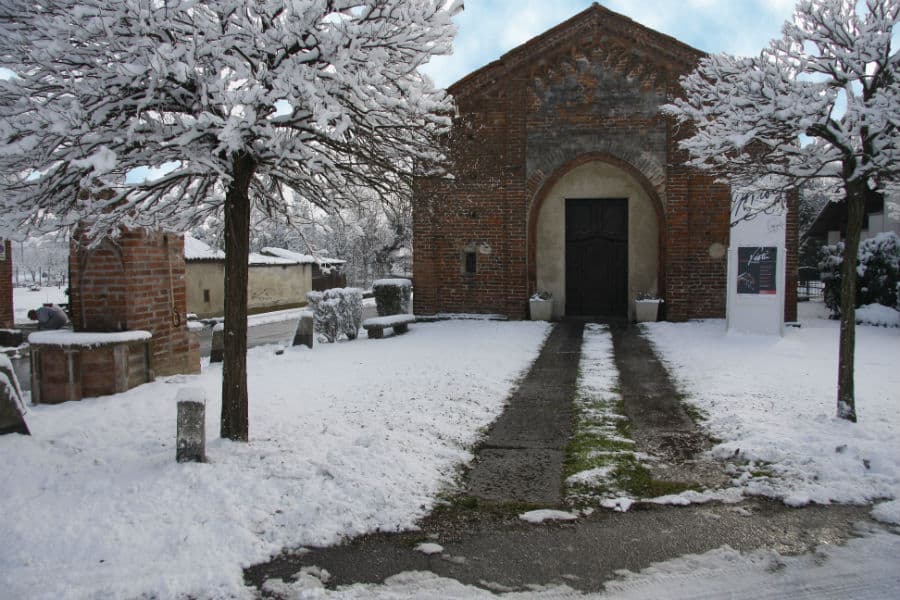
Other noteworthy churches are: San Sebastiano, a splendid example of Romanesque-Gothic Vercelli, dating back to the 9th century; the Church of the Holy Apostles, in Baroque style, with an oval altarpiece and a series of paintings of the apostles; and the Church of the Holy Trinity, built from 1488, which houses a rare Deposition of Jesus from the Cross: a sculptural complex originally from the Sacred Mount of Varallo, purchased by the Fontanettese brethren in 1568.
Historical palaces and civic memories
Walking through the village, one encounters palaces rich in history:
-The Town Hall, with late 19th-century origins, overlooking Piazza Garibaldi, once the “Lawn of the Canvas,” a place of hemp drying and a lively market;
-The Ovis Palace, adjacent to the Trinity Church, which may have been an ancient hospice for pilgrims heading to Rome or the Holy Land;
-The Baron Vita Palace, an imposing 18th-century brick building with a truncated tower;
-The former Ursuline Convent, now a guesthouse and venue for exhibitions and events.
Home of a musical genius
Fontanetto Po is also the birthplace of the great composer and violinist Giovanni Battista Viotti, born here in 1755. Considered one of the fathers of the Romantic concerto and author, according to some sources, of the musical theme later used for the Marseillaise, Viotti is celebrated with musical events and festivals of high cultural profile. His birthplace is marked along Viotti Street by a memorial plaque.
Nature, culture and identity
Set in the territory of the Piedmont Po Park, the village today represents a perfect example of the balance between environment, historical and artistic heritage and local traditions. The irrigation ditches, ancient rice mills, churches and buildings tell a thousand-year history of toil, faith and beauty.
Fontanetto Po is therefore a place where water flows as memory and life, and where every corner preserves a part of the deep soul of Piedmont.
Village of Fontanetto Po
Municipality of Fontanetto Po
Province of Vercelli
Piedmont Region
Population: 1.156
Altitude centre: 143 m s.l.m.
the Municipality is part of:
Città del riso
Protected Natural Areas:
Po and Orba River Park
Municipality
Piazza Garibaldi 5 – Tel. +39 0161 840114
BY CAR
- From Milan: Take the A4 highway, continue on the A26 highway, exit at Vercelli Ovest, at the roundabout take the 3rd exit and continue on the SS 455, continue for Trino, continue on the SS 31BIS and follow the signs for Fontanetto Po.
- From Bologna: From the A14 highway continue on the A1 highway, near Milan take the A50 highway, continue on the A4 highway, continue on the A26 highway, exit at Vercelli Ovest, at the roundabout take the 3rd exit and continue on the SS 455, continue to Trino, continue on the SS 31BIS and follow the signs for Fontanetto Po.
- From Turin: Take the A4 highway, exit at Chivasso Est, continue on the Raccordo Est of Chivasso, near Verolengo, at the roundabout, take the 3rd exit and continue on the SP 31BIS in the direction of Crescentino, continue towards Fontanetto Po.
- From Genoa: From the A7 highway, follow the direction for the A26 – Alessandria, continue on the A26 highway, exit at Casale Monferrato Nord, follow the direction for Casale Monferrato, continue on the SS 596DIR, pass the hamlet Cantone Il Rondò, in Casale Monferrato continue on the SS 31, pass the town of Trino, continue towards Fontanetto Po.
- From Varese: Take the Gazzada-Varese motorway junction, follow the E62 – Milan direction, continue on the A8 highway, follow the direction for the A26, exit at Vercelli Ovest, at the roundabout take the 3rd exit and continue on the SS 455, continue for Trino, continue on the SS 31BIS and follow the indications for Fontanetto Po.
- From Vercelli: Take the SS 455, at the roundabout, take the 2nd exit and continue on the SP 31, pass the town of Trino and continue towards Fontanetto Po.
BY PLANE
- Turin airport
- Milan Malpensa airport
- Milan Linate Airport
BY SEA
- Port of Genoa
What to see in Fontanetto Po
Discover what to see in Fontanetto Po among monuments, scenic views, museums, churches and symbolic places of the village. A useful selection to plan your visit and explore the area.

Where to shop in Fontanetto Po
Discover where to shop in Fontanetto Po among small shops, local producers, wineries, artisan workshops and local excellences to take home after your visit.

News and stories about “Fontanetto Po”
Insights and stories from the area, to keep discovering.