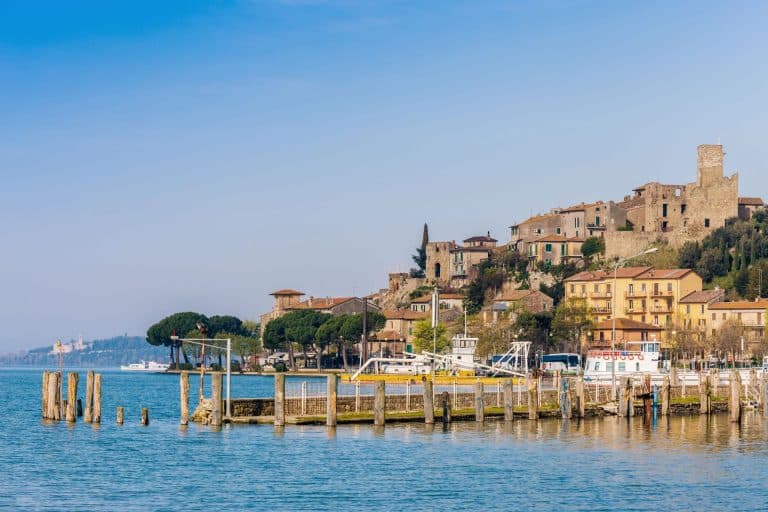
 Tuoro sul Trasimeno
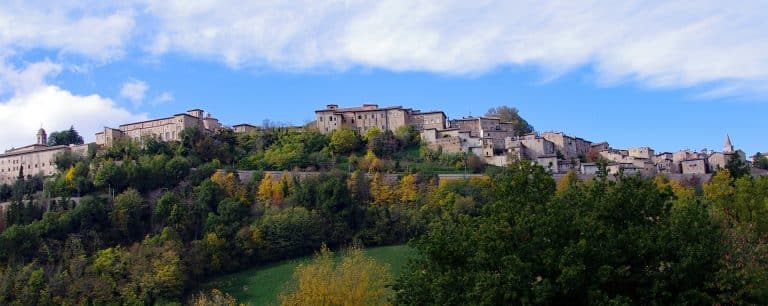 Montefeltro
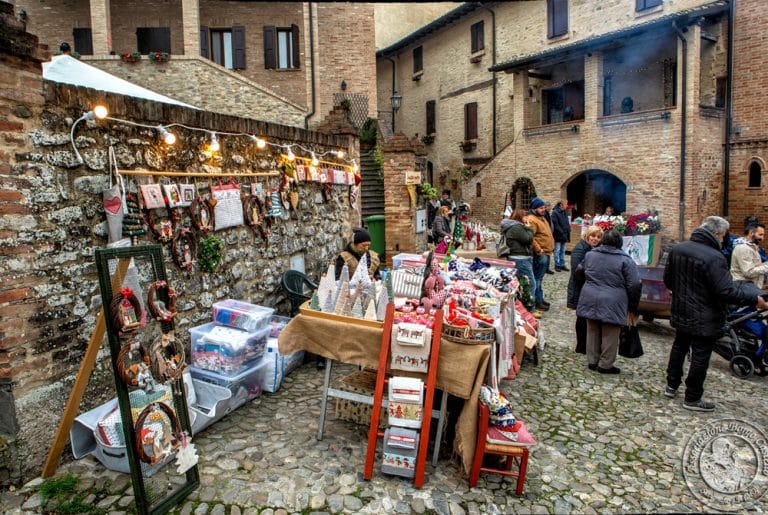 Medieval Markets in the Village
 The Ca’ Rossa Experience: from vineyard to glass
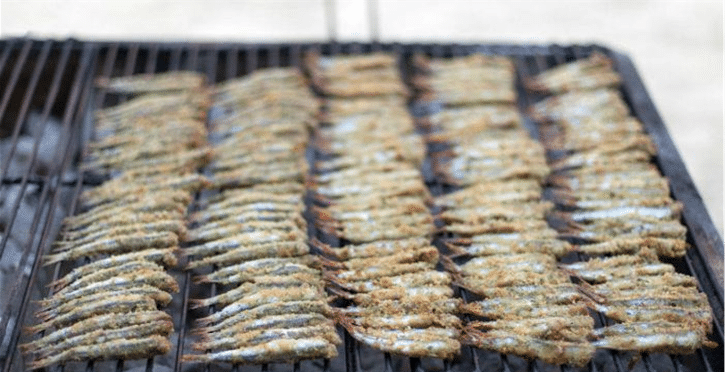 La Rustìda in Gabicce Monte: the authentic flavour of the Adriatic, where sea, hills and tradition meet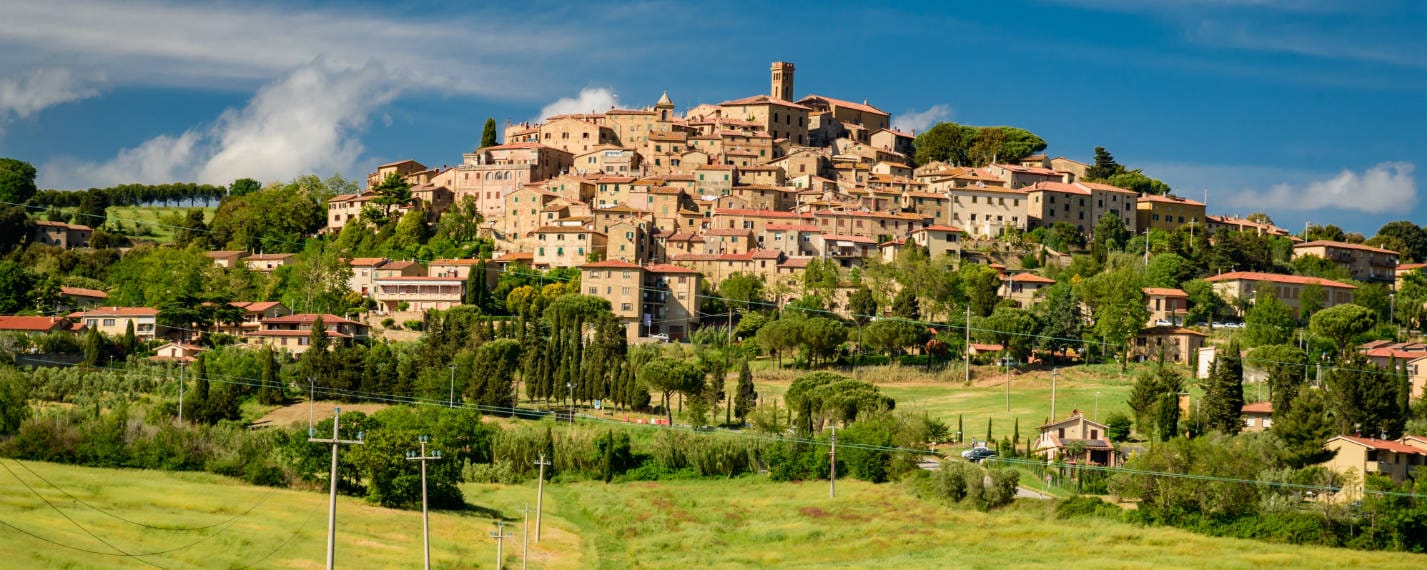
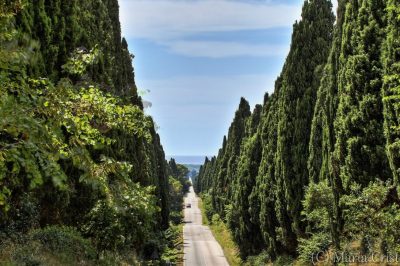
Known for the beautiful scenery of the Viale dei Cipressi, which leads to the gates of the town, Bolgheri is the place to which the poet Giosuè Carducci dedicated one of his most famous poems: “Davanti a San Guido”.
Photo gallery
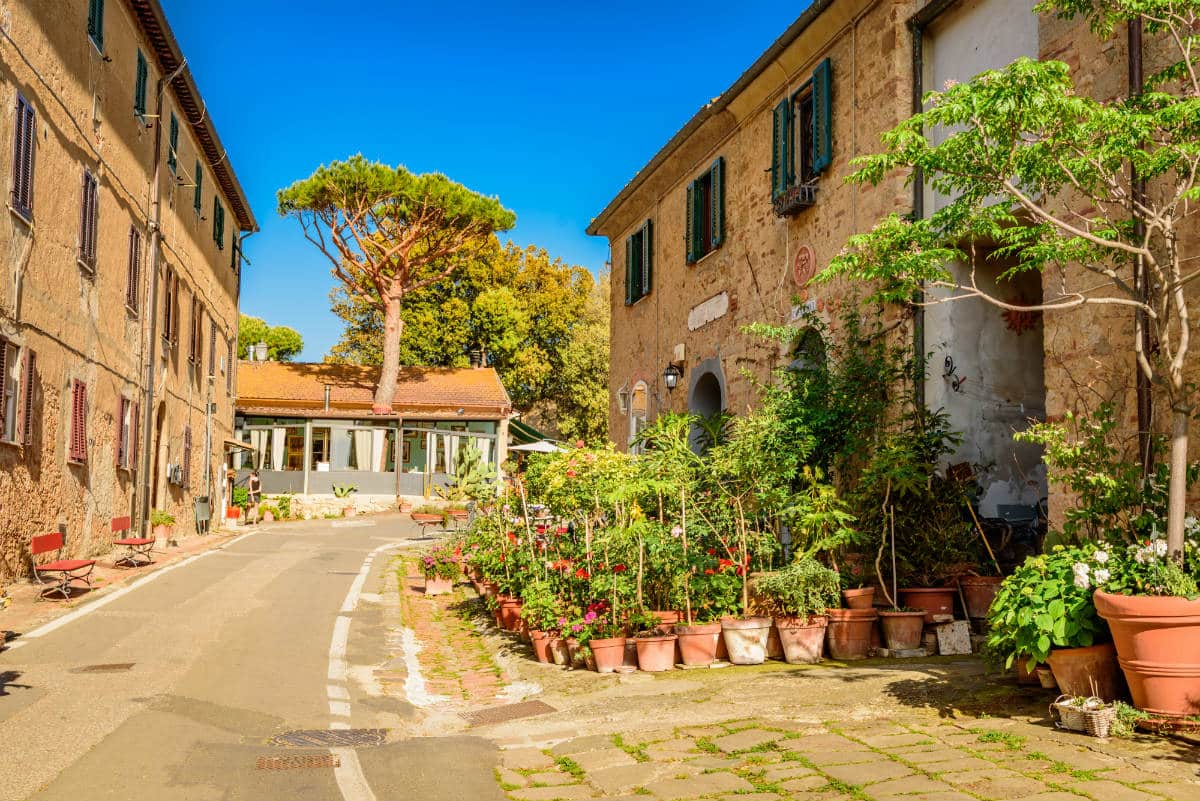
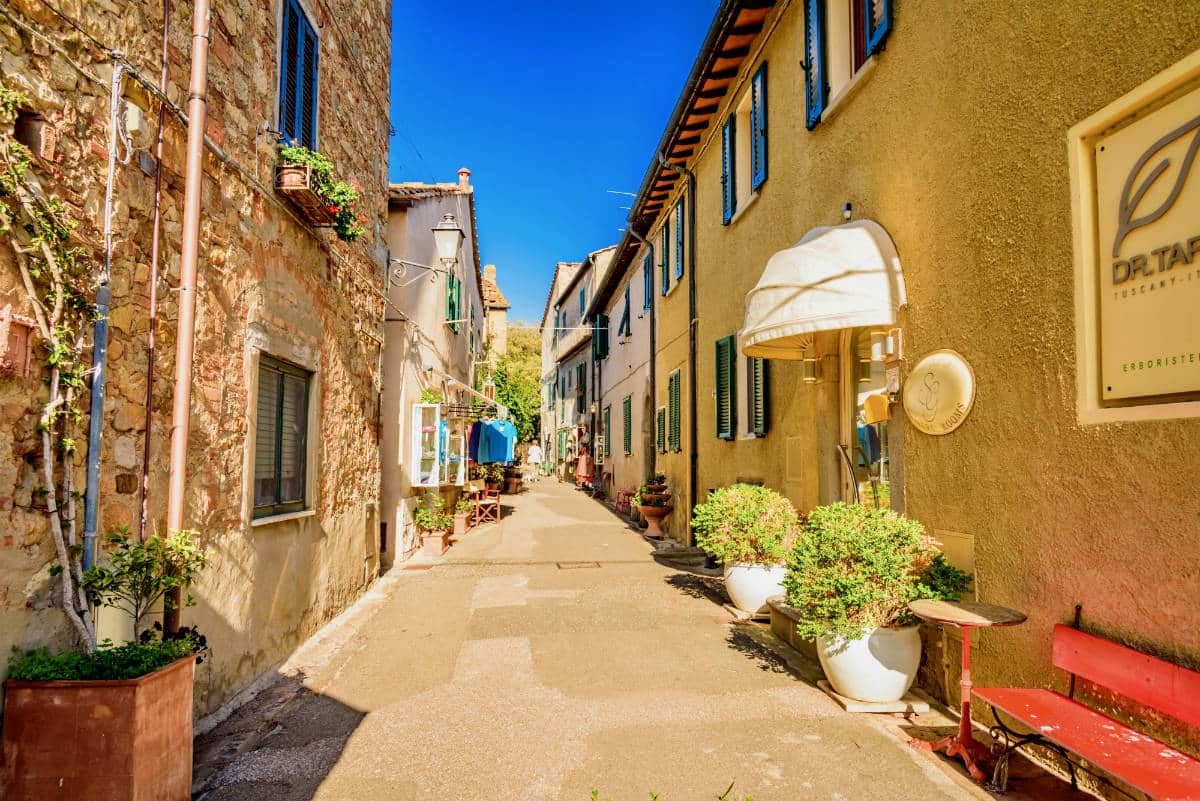
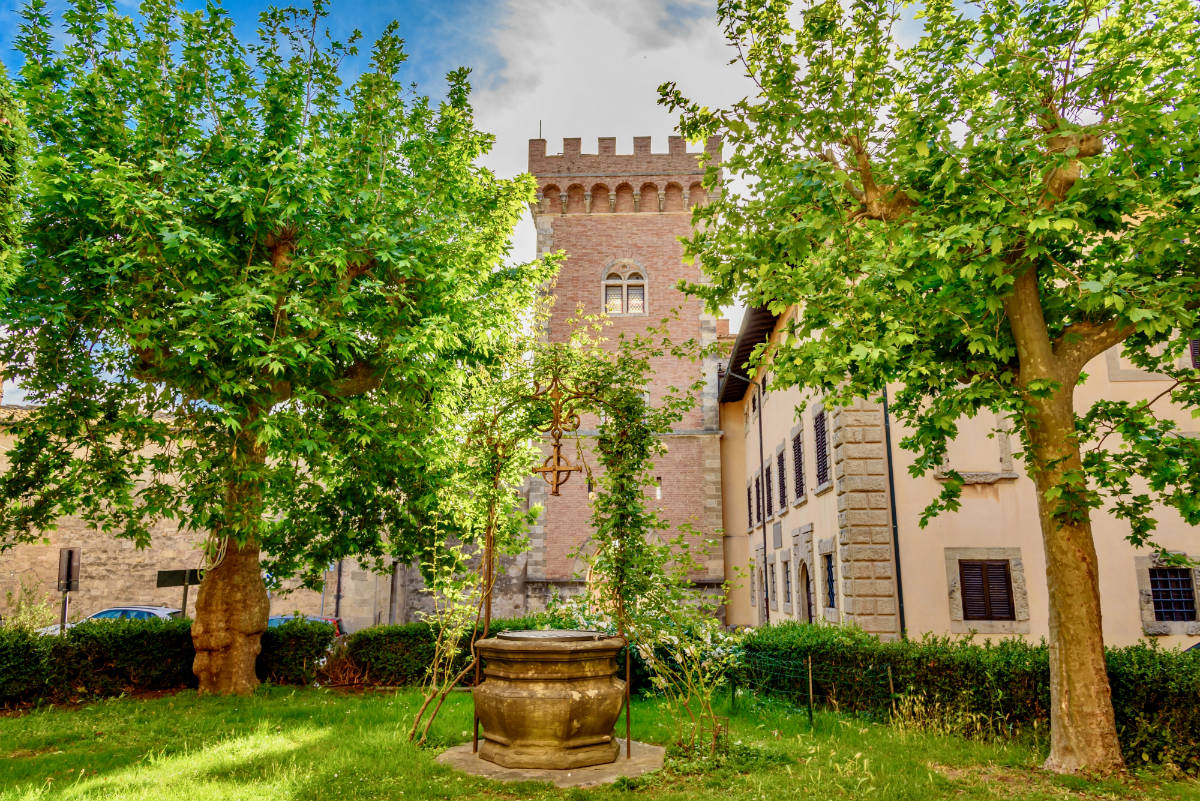
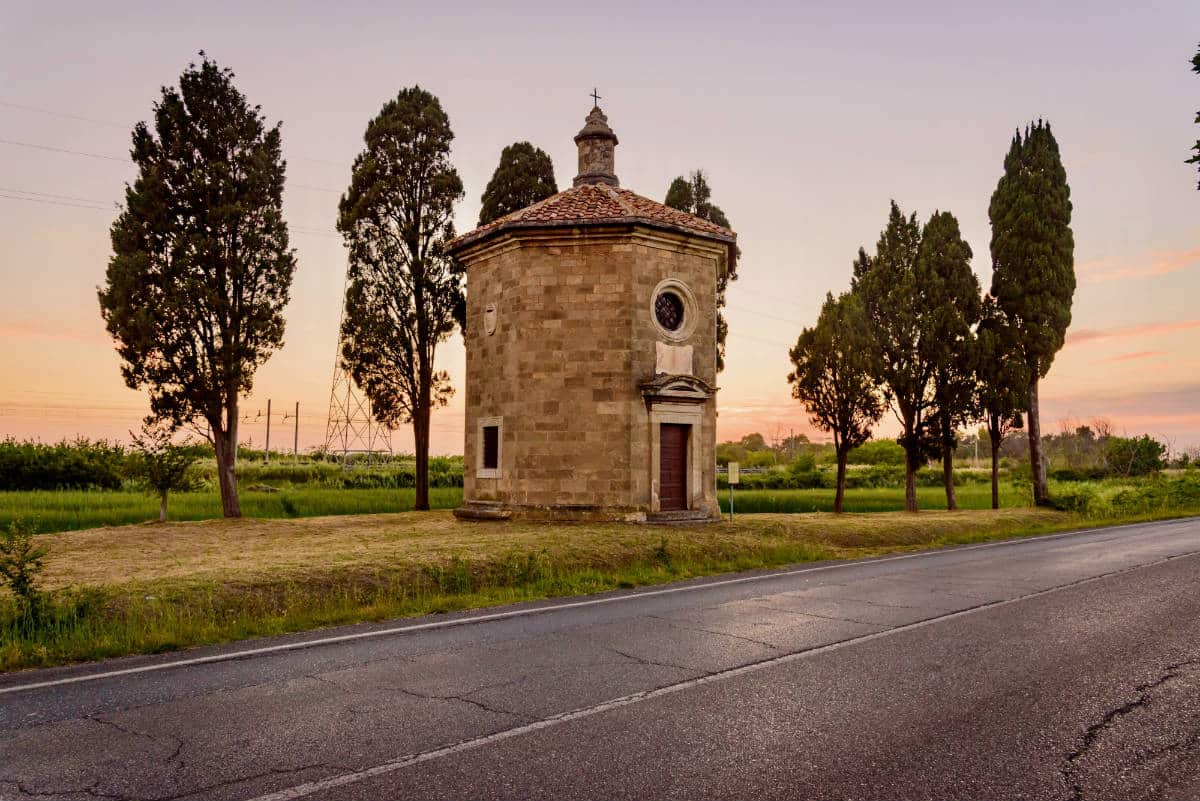
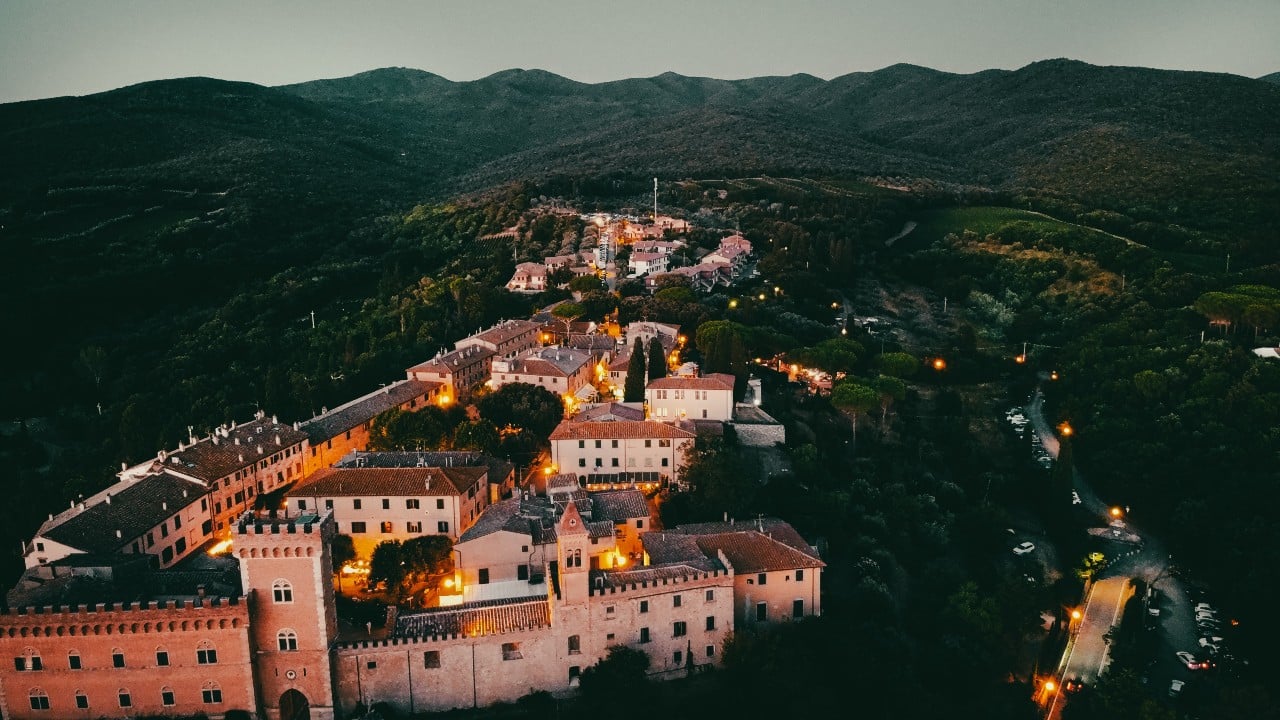
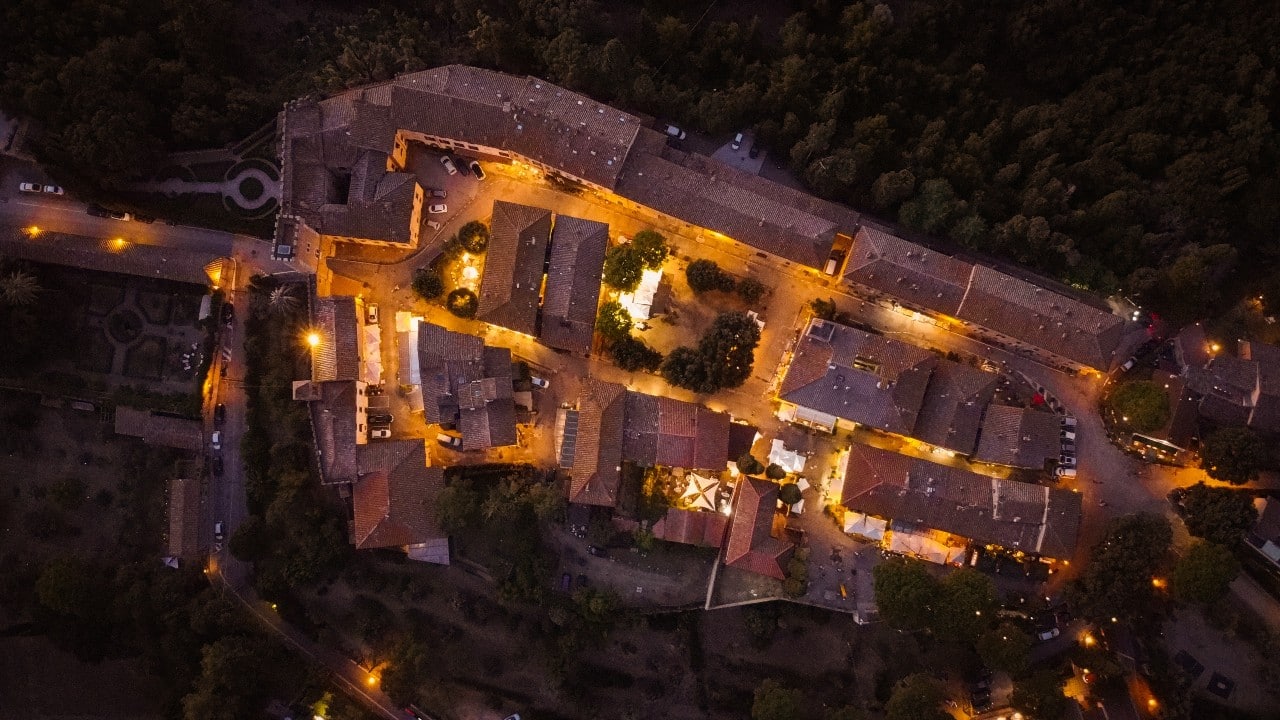
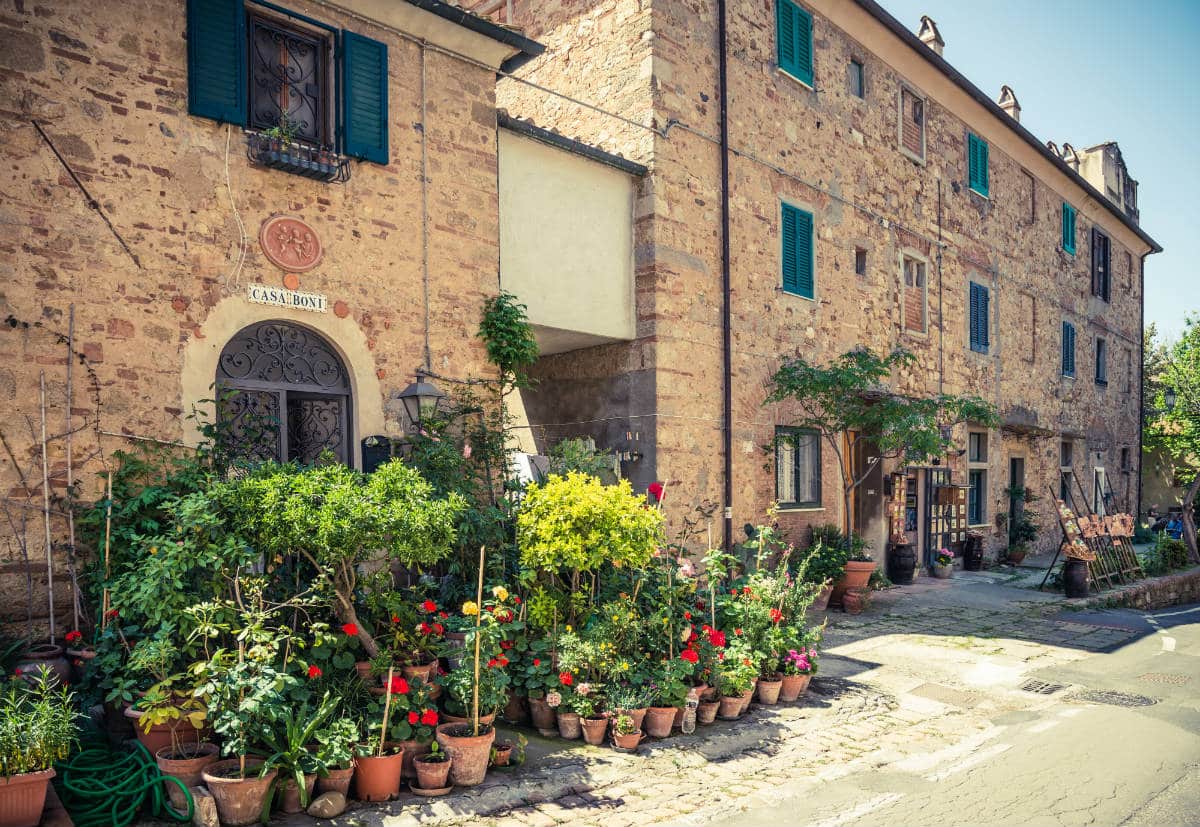
Bolgheri, an ancient village in the heart of the Maremma, is inextricably linked to the verses of one of the most beloved Italian poets: Giosuè Carducci. His family, in fact, lived here for about a decade, from 1838, in conditions of great poverty.
Carducci dedicated one of his most famous poems, “Davanti a San Guido”, to the cypress avenue that leads to the town, and the first lines say: «I cipressi che a Bólgheri alti e schietti van da San Guido in duplice filar, quasi in corsa giganti giovinett mi balzarono incontro e mi guardar».
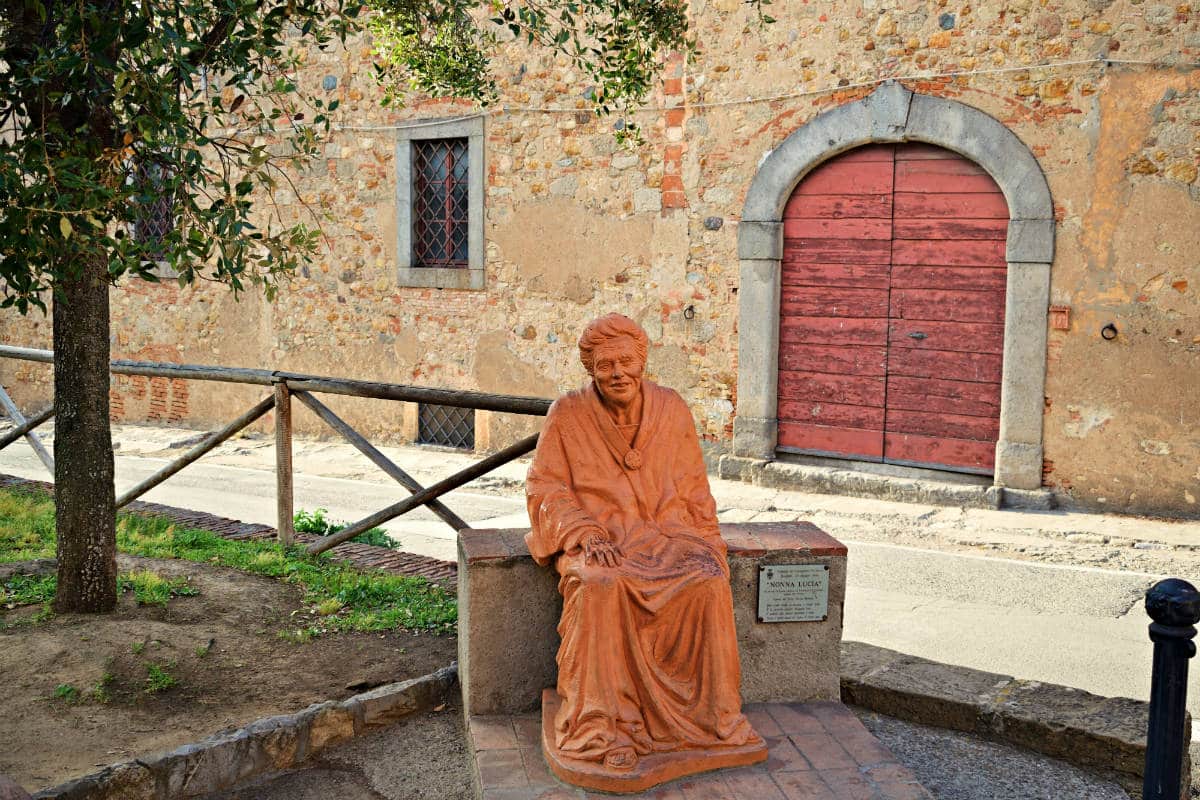
In the Bolgheri cemetery, immersed in nature and in total tranquility, lies the tomb of grandmother Lucia, to whom Carducci was very close. Being a part of the municipality of Castagneto Carducci, in the province of Livorno, Bolgheri rises just under ten kilometers from the Costa degli Etruschi, the stretch of the Livorno coast that preserves several necropolises.
The name “Bolgheri” appeared for the first time in 1075 inside a papal bull, in which, however, the village was called “Sala del Duca Allone”. Like many other towns in Tuscany, Bolgheri also fell under the dominion of Florence in 1406.
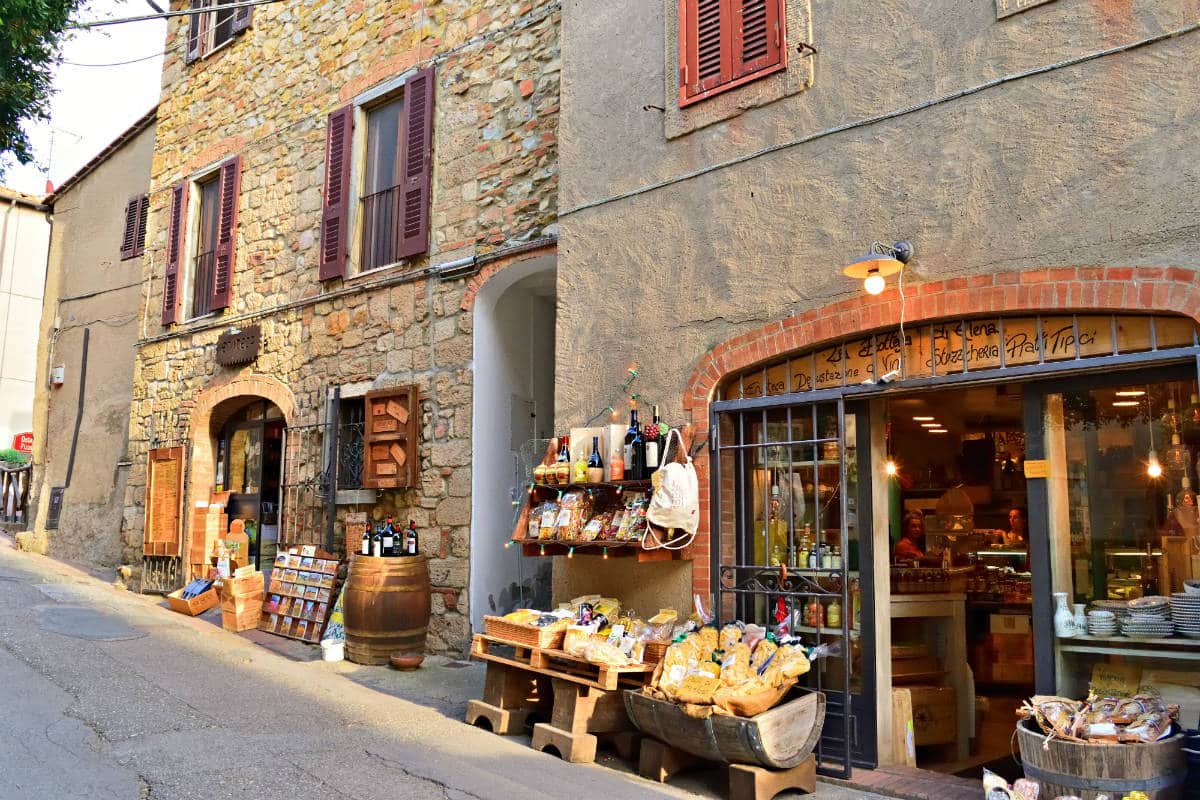
In the eighteenth century Bolgheri experienced a period of growth and prosperity, thanks to the administration of the counts of Gherardesca (whose coat of arms is still visible on the walls of the village ) who decided to provide the inhabitants with an aqueduct and to devote themselves to the development of the agricultural sector. Bolgheri, over the centuries until today, has become one of the cornerstones of Tuscan wine production. The village, in fact, is famous for its wines, such as Cabernet and Merlot, and there is the Bolgheri DOC Consortium, which brings together about thirty wineries and guarantees the excellence of these products.
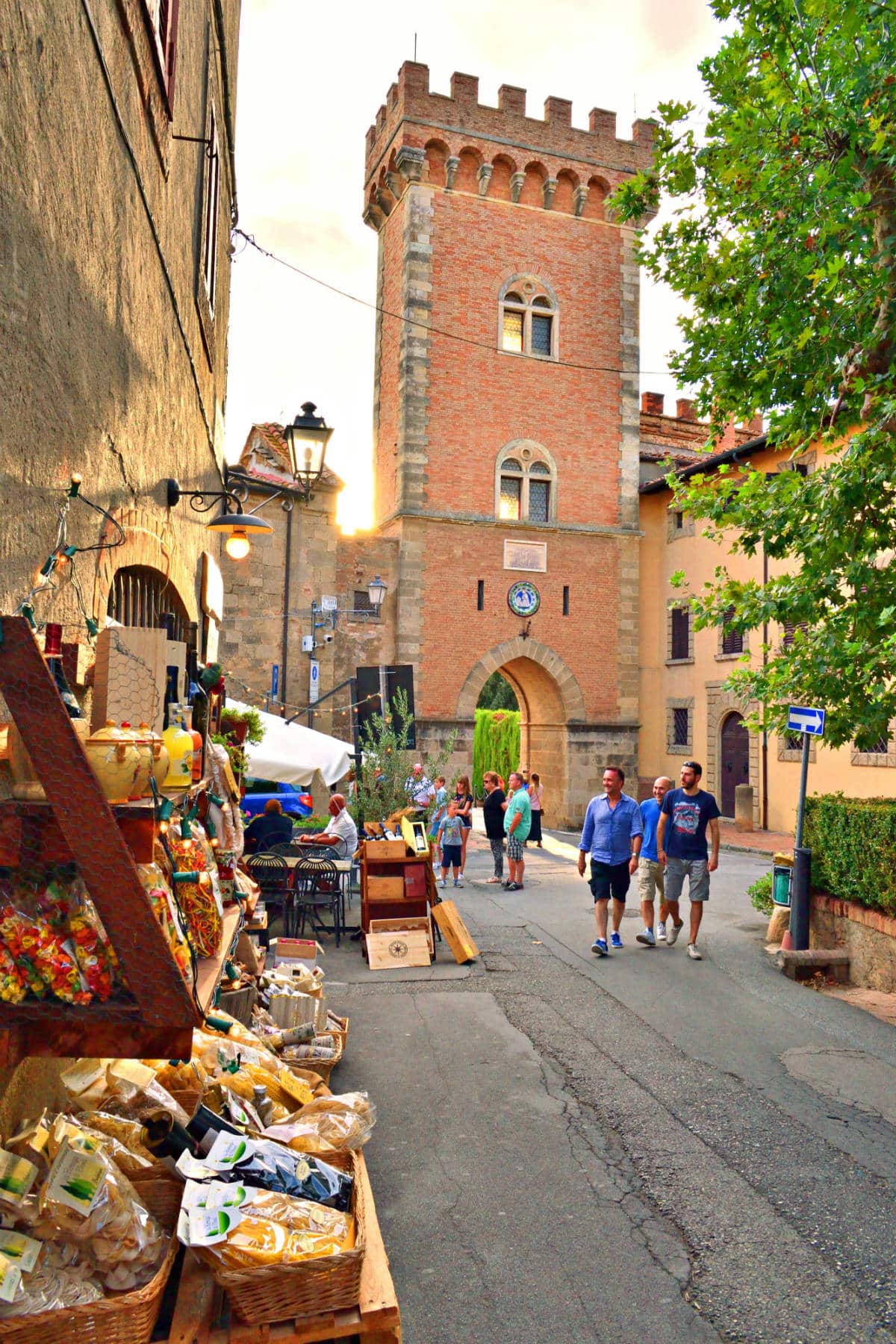
As we said above, in Bolgheri you arrive along the Viale dei Cipressi (also called Viale San Guido), a typical country road accompanied by a long row of cypress trees, about 2540, many of which date back to the nineteenth century, and they extend for almost five kilometers. Along the way, you will meet the Oratory of San Guido, the Church of Sant’Antonio, the Church of San Sebastiano and an obelisk dedicated to Carducci. At the end of the avenue, there is the symbol of the village: the Bolgheri Castle, with its entrance walls and its imposing tower.
Municipality of Castagneto Carducci
Province of Livorno
Tuscany region
Center altitude: 194 m s.l.m.
Città del vino
Città dell’olio
Strada del Vino e dell’Olio Costa degli Etruschi
Via Marconi, 1 – Tel. 0565 778111
BY CAR
- From the North: Take the A12 Genova – Livorno – Rosignano Marittimo motorway, exit at Rosignano Marittimo, follow the direction for Rome and continue on the SS 1 Livorno-Grosseto state road, exit at Donoratico and follow the directions for Castagneto Carducci.
- From the South: In Rome, take the A12 highway in the direction of Civitavecchia, continue on the SS 1 Aurelia in the direction of Grosseto, exit at Donoratico and continue following signs for Castagneto Carducci.
ON THE TRAIN
- Castagneto Carducci railway station
BY PLANE
- Pisa airport
- Florence airport
BY SEA
- Port of Livorno
- Port of Piombino
What to see in Bolgheri
Discover what to see in Bolgheri among monuments, scenic views, museums, churches and symbolic places of the village. A useful selection to plan your visit and explore the area.
What to do in Bolgheri
If you are wondering what to do in Bolgheri, here you will find activities, experiences and tours to enjoy the village and its area in an authentic way, among nature, culture, food and wine, and guided routes.
News and stories about “Bolgheri”
Insights and stories from the area, to keep discovering.